When I returned from deployment, I thought the hardest battles were over. But nothing prepared me for what I found at home.
The yard was overgrown, the windows shut tight. I knocked, called out—no answer. Then, faintly, a voice: “Daddy?”
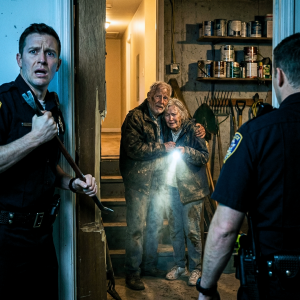
I followed the sound to the shed. Inside, on a thin blanket, sat my six-year-old daughter, Lily, trembling, her skin covered with red welts. Her voice cracked when she said, “Mom’s boyfriend said bad kids sleep out here.”
I didn’t say a word. I just lifted her into my arms and drove straight to the base clinic. The medic’s face tightened as he examined her.
“She’s dehydrated,” he said quietly. “These marks—she’s been through a lot.”
That night, as Lily slept in the hospital bed, I stayed by her side, wondering how long she’d been living in fear—and how I hadn’t been there to stop it. Her mother, Rachel, called once. Angry. Accusing. I ended the call without a word.
When Lily woke, she whispered, “Are you staying this time?”
I squeezed her hand. “For good.”
The war overseas was done, but another had begun—one fought in courtrooms and quiet rooms instead of deserts.
I took Lily to live with me near Fort Sterling, in a small apartment filled with sunlight and silence. She barely spoke at first, flinching at sudden sounds, hiding when someone knocked. I learned to move gently—to keep the door open, to speak softly, to let her heal at her own pace.
Every morning, I made heart-shaped pancakes, even when she only nibbled them. I wrote in a notebook the little things that made her smile: the neighbor’s cat, the way she hummed when she drew, the bubble bath she loved.
But outside our little world, things got complicated. Rachel claimed I’d exaggerated everything to “gain sympathy.” She cried in court, said she’d only been “disciplining a difficult child” while I was “off playing hero.”