Part 1 of 2
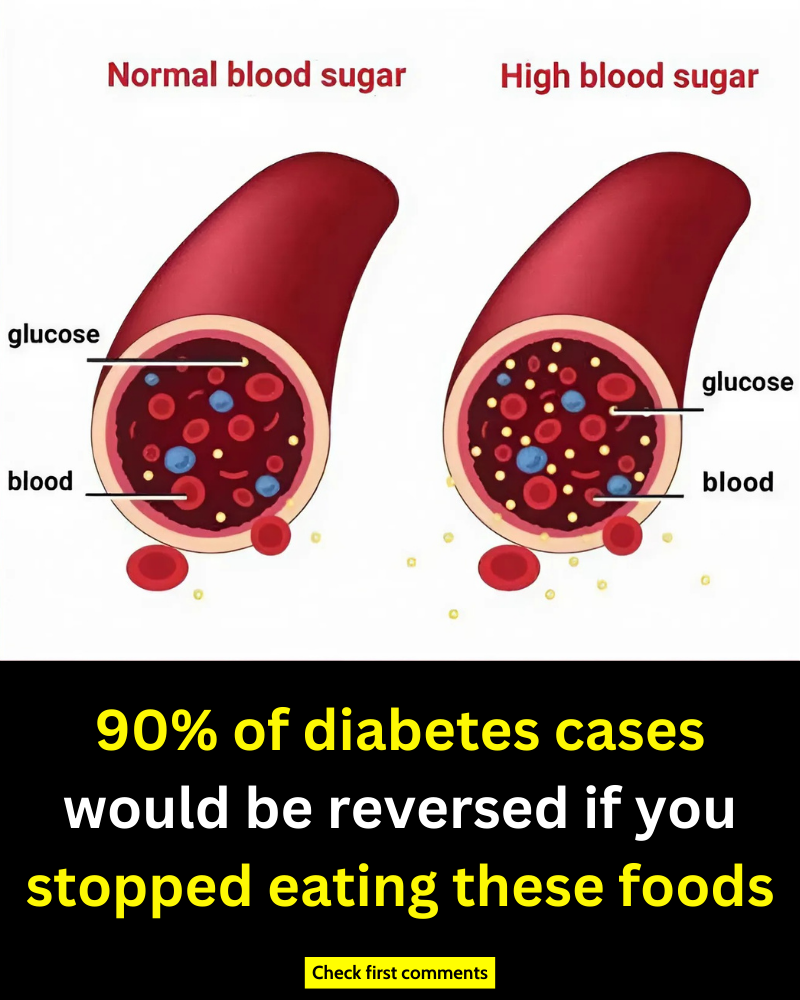
Type 2 diabetes, which makes up the majority of diabetes cases, is primarily linked to lifestyle choices. While genetics may play a role, poor dietary habits are often the biggest factor behind insulin resistance and high blood sugar.
The encouraging news? Type 2 diabetes can be reversed with the right dietary changes. Research indicates that up to 90% of cases could be improved or even reversed by eliminating foods that cause blood sugar spikes, inflammation, and insulin resistance.
Here are the top foods to avoid if you want to take back control of your health.
1. Refined Carbohydrates (White Bread, Pasta, Rice)
- Why They’re Harmful: Stripped of fiber and nutrients, refined carbs digest rapidly, causing blood sugar spikes and leading to insulin resistance.
- Examples: White bread, white rice, pasta, pastries.
- Better Choices: Opt for whole grains like quinoa, brown rice, oats, and whole-grain bread for slower digestion and stable blood sugar levels.
2. Sugary Beverages
- Why They’re Harmful: Drinks like soda and sweetened teas flood your bloodstream with sugar, causing dangerous glucose spikes.
- Examples: Soda, fruit juices, flavored coffee drinks.
- Better Choices: Choose water, unsweetened tea, sparkling water, or infused water with fresh fruit.

3. Processed Snacks
- Why They’re Harmful: Packaged snacks are filled with refined flour, unhealthy fats, and added sugars, which worsen insulin resistance.
- Examples: Chips, pretzels, cookies, candy bars.
- Better Choices: Snack on raw nuts, seeds, fresh fruit, or veggies with hummus for fiber and healthy fats.
4. Fried and Fast Foods
- Why They’re Harmful: Loaded with trans fats, saturated fats, and refined carbs, these foods fuel inflammation and insulin resistance.
- Examples: French fries, fried chicken, burgers, onion rings.
- Better Choices: Bake, grill, or air-fry using healthy oils like olive oil, and prioritize whole foods.
5. Artificial Sweeteners
- Why They’re Harmful: Though marketed as a healthier alternative, artificial sweeteners can disrupt gut bacteria and impair glucose metabolism.
- Examples: Diet sodas, sugar-free candies, low-calorie desserts.
- Better Choices: Use natural sweeteners like stevia or monk fruit in moderation—or retrain your taste buds to enjoy foods without added sweetness.
6. High-Fructose Corn Syrup (HFCS)
- Why It’s Harmful: Found in many processed foods, HFCS is linked to fatty liver disease, obesity, and insulin resistance.
- Examples: Sodas, packaged desserts, cereals, condiments like ketchup.
- Better Choices: Read labels carefully and avoid products with HFCS. Stick to whole, unprocessed foods whenever possible.

12