At our anniversary dinner, my husband raised his glass solemnly. I followed, but caught something unusual—a subtle flick of his fingers as he slipped something into my drink. A chill crept through me. I wasn’t going to take a chance.
While no one was looking, I carefully switched my glass with the one in front of his sister.
Ten minutes later, we toasted. The moment she took a sip, she clutched her stomach and screamed. Chaos broke out. My husband turned pale as a ghost.
I didn’t move. I just watched him. My heart screamed: What were you planning, my love?
They rushed his sister to the hospital. I kept my expression neutral, though my insides were shaking. When he stepped outside to make a call, I followed silently.
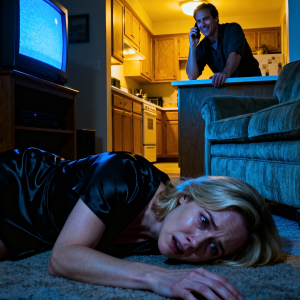
“I don’t understand,” he whispered on the phone. “She wasn’t supposed to drink it. I definitely switched the glasses!”
My blood ran cold. I hadn’t imagined it. He had meant to poison me.
I returned to the table, numb. I breathed slowly, keeping my face composed. One question throbbed in my mind: Why? After all these years?

Later that night, he approached me.
And I knew then—everything had changed. But most importantly: I was alive. And the truth would come.
The next morning, I visited the hospital. His sister was conscious but pale. The doctor said it was a severe poisoning. “She’s lucky,” he added. “A bit more, and…”
I nodded—at fate, and at myself.
On the way home, I made a decision. I wouldn’t run. I would play. On my terms.
He greeted me with a casual air. “How is she?” he asked, pouring tea.
“Alive,” I replied, then added, “I remembered the glasses were set differently.”
He froze.
“What are you saying?”
“For now, nothing. Just thinking out loud.”
I got up.
“And maybe you should start thinking about what you’ll say… if the police come.”
That night, neither of us slept. A silent war had begun—cold, watchful, deadly.
I started collecting evidence: receipts, messages, recordings. He didn’t suspect. He still thought I was the prey. But I was becoming the predator.

A week later, I was the perfect wife again—calm, obedient, even agreeable to his suggestion we go away “to relax.” I smiled, packed, and secretly hired a private detective.
I gave him everything—pharmacy slips, recordings, screenshots of texts from an unknown sender. One stood out: “After the anniversary, it’s all over.”
I kept acting, playing my role. Until one evening, as he poured me wine by the fireplace, there was a knock at the door.
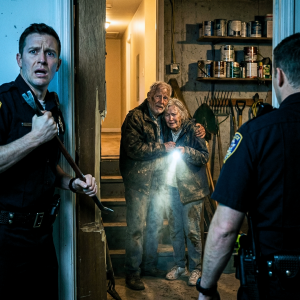
A police officer and the detective stepped in.
“Mr. Orlov, you’re under arrest for attempted murder.”
His eyes widened in horror.
“You… you set me up?”
“No,” I replied calmly. “You set yourself up. I just didn’t die.”
He was taken away. And I stayed. Alive. Free. Stronger.
Two months passed. The trial began. The evidence was overwhelming. He remained in custody. Everything seemed… resolved.
Until I got a call from the detention center.

Behind the glass, thin and cold-eyed, he leaned in. “You got it wrong,” he said. “You weren’t the target.”
“What?”
“It was for her. My sister. She knew too much. Wanted too much.”
“You’re lying.”
“Check her phone. Then decide.”