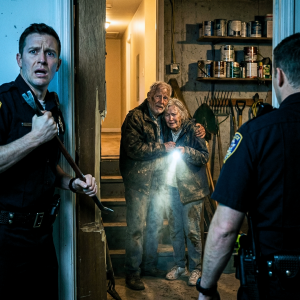
“There’s someone down there,” Emily whispered, her flashlight trembling in her hands.
The chill of fall crept into her bones as she made her way down the muddy path behind the abandoned boathouse. After a twelve-hour shift at the free clinic, her body ached, but the faint sound—like a sob—pulled her forward.
She spotted him beneath the pier: a small boy, barefoot, soaked, and clinging to a concrete pillar. His eyes were cloudy, unfocused.
He didn’t flinch at the light. She waved her hand in front of his face—nothing. “He’s blind…” she whispered.
An hour later, Officer Raymond arrived. He looked the boy over, then scribbled into his notepad. “Probably abandoned. It’s been happening more lately. We’ll take him to the county shelter tomorrow.”
“No,” Emily said firmly. “I’ll take him.”
The first days were hard. The boy didn’t speak, barely moved. But by the end of the week, he smiled at her voice and reached for her hand. Emily named him Ben.

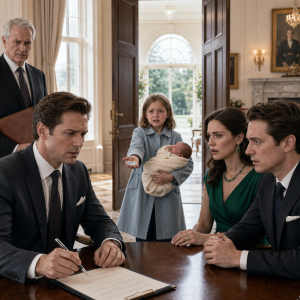
Later that week, her father came over. “I spoke to someone at the courthouse. We’ll make the guardianship official.”
Emily cried—not from fear, but from the quiet joy blooming in her chest.
Years passed. Ben grew into a bright, perceptive child. At seven, he navigated their home with ease, knowing every creaky board and crooked step. He listened to the wind, recognized people by the rhythm of their footsteps.
“Mrs. Carter’s on the porch,” he once said. “She walks like dry leaves in wind.”