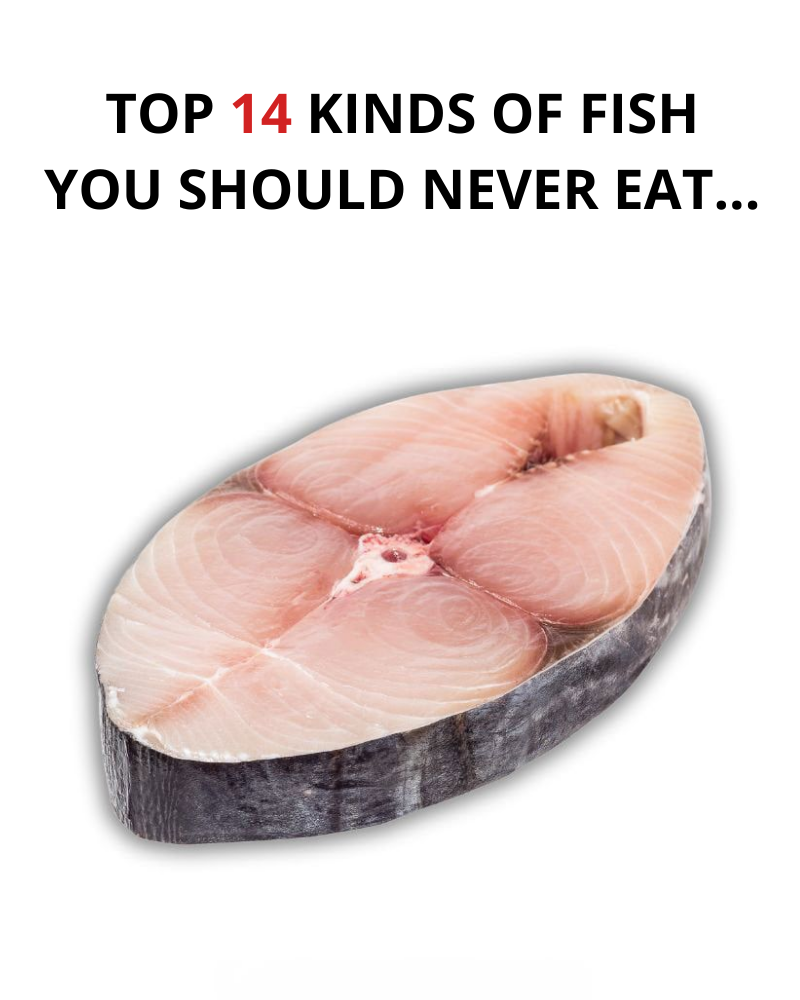
Fish can be a great part of a healthy diet, offering essential nutrients like omega-3 fatty acids that help lower the risk of cardiovascular disease, cancer, Alzheimer’s, and more.
However, due to industrial activities such as coal burning and waste incineration, large amounts of mercury have entered our waterways, contaminating fish populations. Mercury bioaccumulates, meaning that as smaller fish are eaten by larger ones, mercury levels increase.
Excessive consumption can lead to mercury poisoning, prompting the FDA and EPA to issue safety guidelines. The Environmental Defense Fund (EDF) also recommends avoiding certain fish.
1. Atlantic Cod
The issue with Atlantic cod is not health-related but environmental. Overfished for centuries, its population collapsed in the late 1990s, fundamentally altering the North Atlantic food web. Although fishing has been reduced, the species remains vulnerable to extinction.
2. Atlantic Flatfish (Halibut, Flounder, Sole)
These species suffer from overfishing and wasted bycatch—where unintended marine species are discarded. The U.S. alone throws away 2 billion pounds of bycatch yearly. The California gillnet fishery, a major source of halibut, has been identified as one of the worst offenders.
3. Caviar (Beluga Sturgeon & Other Sturgeon Species)
Beluga sturgeon, an ancient fish that can live up to 100 years, is highly endangered due to the demand for its eggs, which sell for thousands of dollars per pound. Many other sturgeon species face the same risk.

4. Chilean Sea Bass
This species is not only overfished but also has high mercury levels, making it a potential health risk.
5. Eel
Eels have been severely overfished, leading to population collapses. They play an essential role in spreading mussels, which filter water naturally. Additionally, eels absorb and store pollutants, so in some areas, it’s advised to eat them no more than once per year.
6. Imported Basa, Swai, Tra, Striped Catfish
Often mislabeled simply as “catfish,” these species should be avoided. A 2016 study found that 70-80% were contaminated with Vibrio bacteria, which causes shellfish poisoning.