Part 2 of 2
- A damp scalp is the perfect breeding ground for bacteria and fungi.
- Conditions like dandruff or seborrheic dermatitis can get worse.
- Hair is more fragile when wet, making it easier to break, tangle, or split.
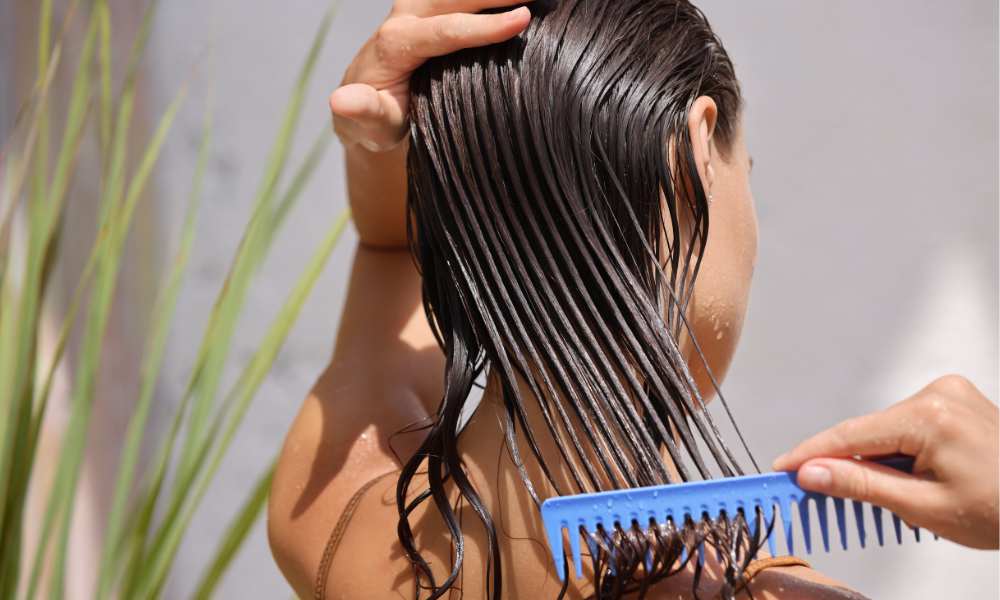
Myth 3: Letting hair air-dry overnight is safer than heat
Fact: While excessive heat isn’t great for your hair, letting it stay wet all night isn’t ideal either. Prolonged moisture weakens hair and disrupts the scalp’s natural balance.
Your best bet? Towel-dry first, then use a blow dryer on a cool or low heat setting before heading to bed.
Myth 4: This only applies to long hair
Fact: All hair types and lengths are at risk. Whether your hair is short, curly, straight, or long, scalp health matters — and it’s not picky about hairstyle.
Myth 5: Tying up wet hair helps control it
Fact: It might seem like a tidy fix, but tying wet hair back can do more harm than good. Wet hair is stretchier and more fragile, so tight hairstyles can cause breakage.
Worse, the tension can stress your roots, potentially leading to thinning over time.
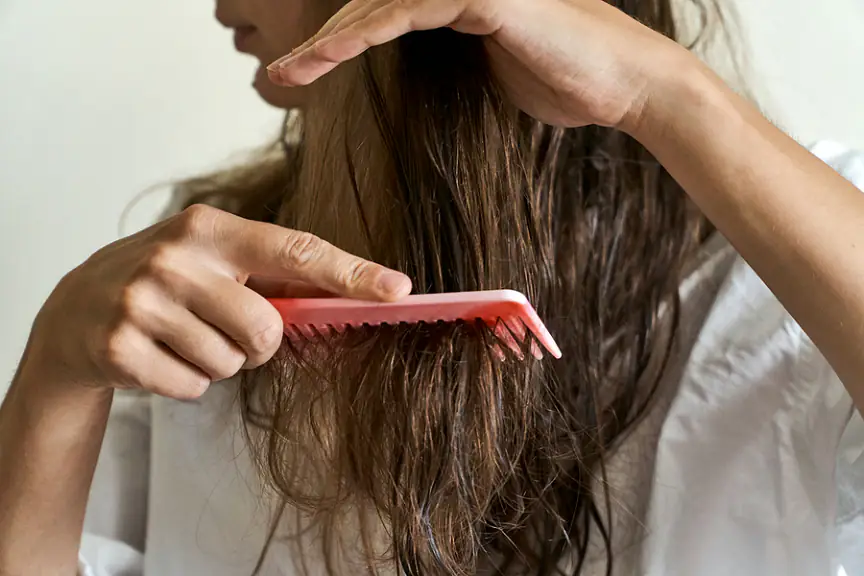
What’s the best approach?
If nighttime is your only time to wash your hair:
- Use a microfiber towel to soak up extra water.
- Dry it about 80% before sleeping.
- Sleep on a silk pillowcase to cut down on friction.
- Keep your hair loose or in a gentle braid — skip the tight ponytails.
Final takeaway
No, sleeping with wet hair won’t cause lice — but it can damage your hair and scalp if it becomes a habit. Knowing the facts lets you care for your hair more mindfully. Your scalp (and your future self) will thank you.
12