6. Hair Thinning or Shedding
Why It Happens: Severe vitamin D deficiency may be connected to hair loss, including conditions like alopecia areata. It may also contribute to general hair thinning.
What to Watch For: Sudden or unexplained hair loss, especially if paired with fatigue or mood changes.
What to Do: Increase vitamin D through diet or supplements, and consider checking for other contributing factors like stress or hormone imbalances.

7. Ongoing Back Pain
Why It Happens: Since vitamin D plays a major role in bone strength, low levels can contribute to chronic lower back pain, particularly in people with osteoporosis or related issues.
What to Watch For: Consistent back pain, especially without a clear physical cause or injury.
What to Do: Talk to your doctor about vitamin D supplements and consider low-impact strength training to help protect your spine.
How to Naturally Boost Vitamin D and Strengthen Your Immunity
If you suspect you’re not getting enough, here are smart, simple ways to naturally raise your vitamin D levels:
1. Soak Up Some Sunlight
Why It Works: Your skin makes vitamin D when it’s exposed to UVB rays from the sun.
Tips:
- Aim for 10–30 minutes of sun exposure a day (depending on your skin tone and location).
- Limit overexposure to prevent skin damage—short, safe bursts are enough.
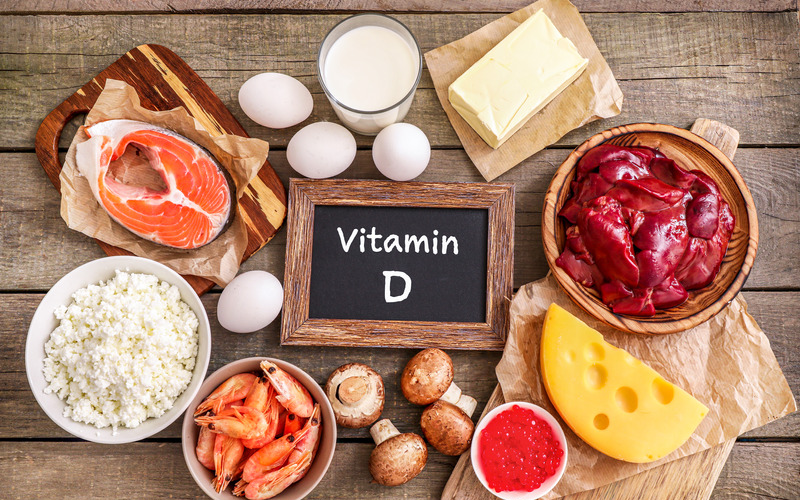
2. Eat More Vitamin D-Packed Foods
Why It Works: Some foods naturally contain or are fortified with vitamin D.
Top Sources Include:
- Fatty fish like salmon, mackerel, and sardines
- Egg yolks
- Fortified options like dairy, orange juice, and cereals
- Mushrooms that have been exposed to UV light
3. Consider a Vitamin D Supplement
Why It Works: Supplements are an easy and reliable way to correct a deficiency, especially when food and sun aren’t enough.
Dosage Guidelines:
- Adults usually need 600–800 IU daily, though higher amounts might be recommended with medical guidance.
- Opt for vitamin D3 (cholecalciferol) instead of D2—it’s more effective at raising levels in the blood.
4. Keep Track of Your Levels
Why It Works: Blood tests can reveal if you’re too low (or too high) in vitamin D.
Optimal Range: Aim for 30–100 ng/mL in your blood for best results.

5. Support Overall Health for Better Absorption
Why It Works: Issues like obesity, poor gut health, or medications can interfere with how your body uses vitamin D.
Helpful Tips:
- Maintain a healthy weight
- Eat a nutrient-dense diet rich in magnesium and zinc (which help vitamin D metabolism)
- Avoid smoking and limit alcohol intake
When to Talk to a Doctor
If you notice any of the symptoms above or suspect you’re low in vitamin D:
- Ask your doctor for a blood test to check your levels
- Work together to create a custom plan that fits your health needs, including diet and lifestyle changes or supplements
Final Words
Vitamin D is a powerhouse nutrient that supports everything from your immune system to your bones and emotional well-being. Spotting the signs of a deficiency early—and knowing how to fix it—can make a big difference in how you feel and function.
Whether it’s through sunshine, better nutrition, or a daily supplement, making vitamin D a priority will help keep you energized, uplifted, and resilient all year long.