His passing was officially announced by Vatican camerlengo Cardinal Kevin Farrell at 7:35 a.m. local time on April 21.
“Dearest brothers and sisters, it is with deep sorrow that I must announce the death of our Holy Father Francis,” said Farrell in a statement.
“His entire life was dedicated to the service of the Lord and His church… We commend the soul of Pope Francis to the infinite, merciful love of God.”
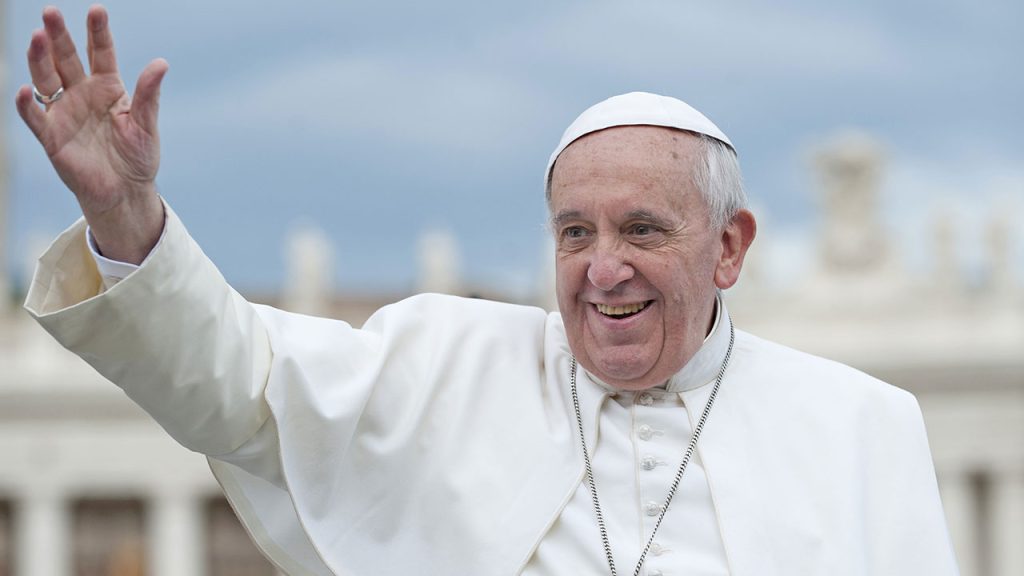
In contrast to most of his predecessors, Pope Francis had requested to be buried in the Basilica of St. Mary Major in Rome, a church he visited often. Before his burial, his body will lie in state at St. Peter’s Basilica during a formal mourning period.
His death also triggers the traditional process leading to a papal conclave, where cardinals will gather in the Sistine Chapel to elect a new pope. That process will begin no sooner than 15 days after his passing. In the meantime, day-to-day Vatican operations will be overseen by Cardinal Farrell.
Tributes have poured in from around the world. Italian Prime Minister Giorgia Meloni expressed deep sorrow, calling Francis “a great man and a great shepherd.” In a symbolic tribute, the bells at Notre-Dame Cathedral in Paris rang 88 times in honor of his 88 years of life, followed by Masses in his memory.
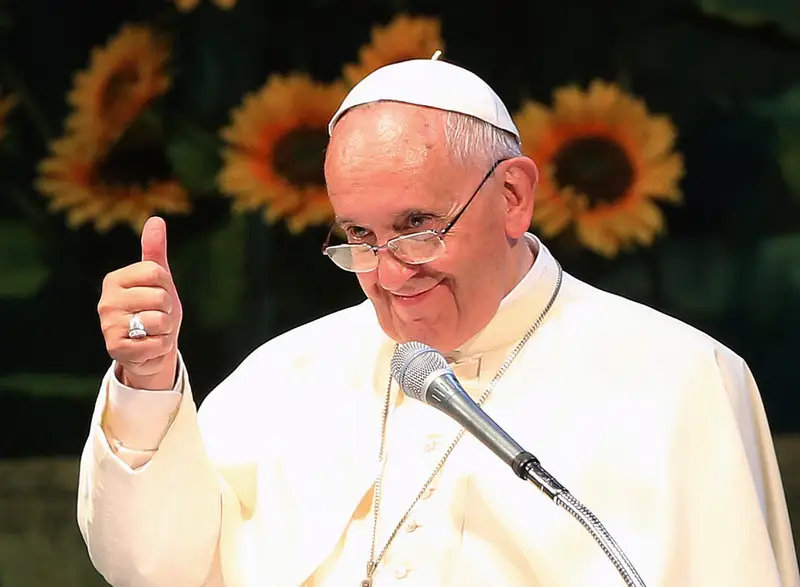
Update: Cause of Death
Francis had been hospitalized earlier this year, initially on February 14. He had also sustained a fall in January, requiring a sling for his right arm. His health had long been considered delicate, especially since he had part of a lung removed at age 21 due to pleurisy.
According to Vatican physician Dr. Andrea Arcangeli, the Pope died of a stroke and irreversible heart failure. His death certificate confirmed he had slipped into a coma before passing peacefully early Monday morning.
In his final days, Pope Francis remained a figure of humility and grace, leaving behind a legacy of compassion, unity, and unwavering faith.