Enjoy this tea once or twice a day, but not for more than a week straight. Like all natural remedies, moderation is key—overdoing it, especially if you have a sensitive stomach, can lead to discomfort due to the warming nature of these spices.
⚠️ Not recommended for children under 6, pregnant or breastfeeding women—unless cleared by a doctor.
What Can This Combo Actually Help With?
Feeling a little off as the weather gets colder? This spicy tea might help with:
- Seasonal fatigue
- Mild colds
- Indigestion after rich meals
It can also be used as a warm mouth rinse to tackle bad breath, or as a gargle to help soothe mild toothaches—an old trick passed down from grandmothers.
It’s a gentle, natural alternative that won’t mess with your gut flora. But remember: if you’re running a fever or symptoms linger, always check with a healthcare provider.

What to Watch Out For
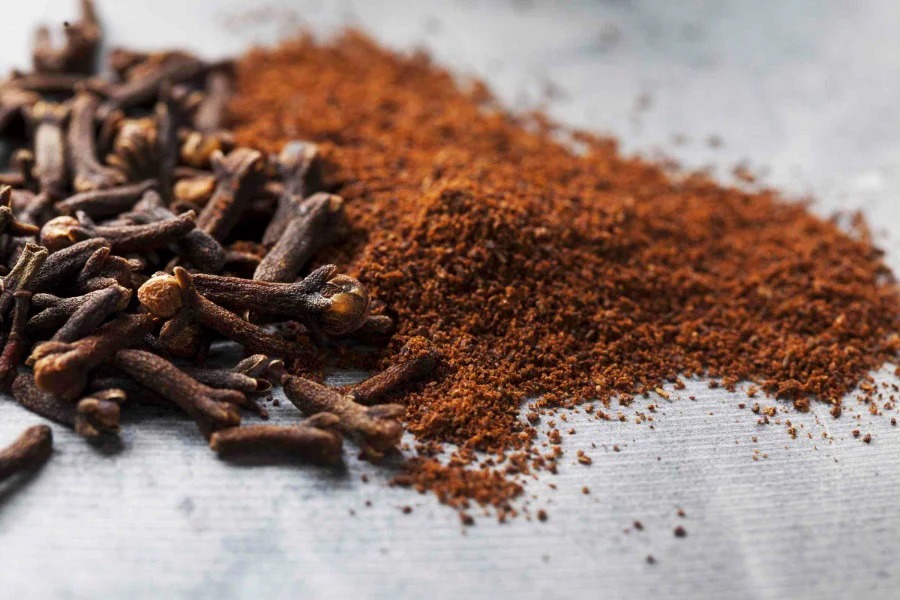
When it comes to cloves, more is not better. Eugenol, while beneficial in small amounts, can become irritating or toxic if overused.
If your stomach is sensitive, skip drinking it on an empty stomach. And when it comes to cinnamon, go for Ceylon cinnamon (the “true” cinnamon) rather than the more common Cassia variety, which contains coumarin, a compound that can be harmful in large doses.
Most importantly: never use this or any home remedy as a substitute for medical treatment. If you have chronic health issues or take blood thinners, talk to your doctor first.
Trying this for the first time? Do a small allergy test before going all-in—some people may have unexpected reactions to these spices.