When Grandma passed, I thought the farm would be mine. Instead, it went to Felicity—my cousin who’d only ever seen it through a phone screen. All I got was a letter and permission to stay—for now.
The lawyer’s voice blurred as he finished reading the will. Felicity, who barely spent weekends here, now owned everything. I’d spent years working beside Grandma, sunburned and exhausted, while Felicity used the place for photo ops.
“Are you okay, Diana?” the lawyer asked, handing me a letter.
In Grandma’s handwriting, I read:
“My dearest Diana,
If you’re reading this, the time has come for a choice. I left the farm to Felicity but gave you the right to stay. As long
as you remain, the farm cannot be sold. Please wait—there’s more to come in three months.
Love, Grandma.”
I didn’t understand. Why not just leave it to me? Felicity was already whispering to her husband about selling to developers.

Later, she offered me money to leave. “You could live comfortably in the city.”
“This isn’t about money,” I said. “It’s about family.”
Soon after, I quit my job and moved in. Felicity handed me the keys with a smirk. She wanted no part in the work.
Life on the farm was grueling. I woke before dawn, cared for the animals, and fixed fences. Mr. Harris, our old neighbor, stopped by.
“Your grandma didn’t want to scare you off,” he said. “But you’re doing good. This farm’s got a soul.”
That evening, I smelled smoke.
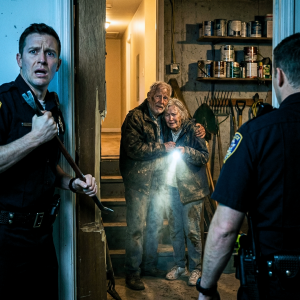
Flames engulfed the farmhouse. I screamed for help, but it was too late. Mr. Harris pulled me back. “The animals are safe,” he said. “You did your part.”
The next morning, Felicity arrived. “Well, this changes things,” she said. “It’s time to sell.”