Eventually, the plans settled on a more modest version—a 10-plot family section, and a larger, 500-plot space for golf club members. Membership at the club reportedly cost $150,000 to join, with $20,000 in annual dues.
The motivation behind these cemetery plans wasn’t solely sentimental. Under New Jersey law, land used for cemeteries is exempt from many taxes — including property, income, sales, and inheritance taxes. Creating a nonprofit cemetery company could offer substantial savings.
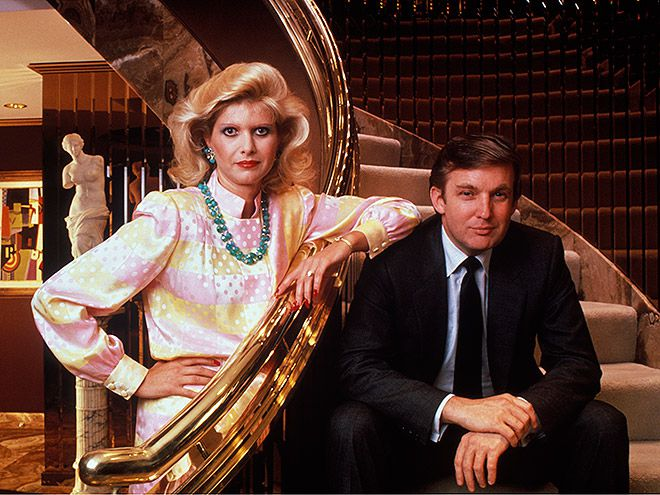
Though some local resistance existed, including skepticism from town officials, Bedminster’s council ultimately approved the plan. Consultant Ed Russo, involved in the effort, described Trump’s vision not as commercial, but personal: “If you have everything in the world, where would be that place you’d most like to be identified with going forward?”
That said, Ivana’s grave marked the first actual burial on the course, turning Trump’s decade-long vision into reality. It also gave the cemetery designation a tangible start, potentially unlocking tax advantages.
Meanwhile, Trump had already taken other steps to lower taxes on the Bedminster estate. One strategy involved reclassifying a wooded parcel as farmland—based on turning trees into mulch—reducing the property tax on a $461,000 plot to just $16.31 per year.
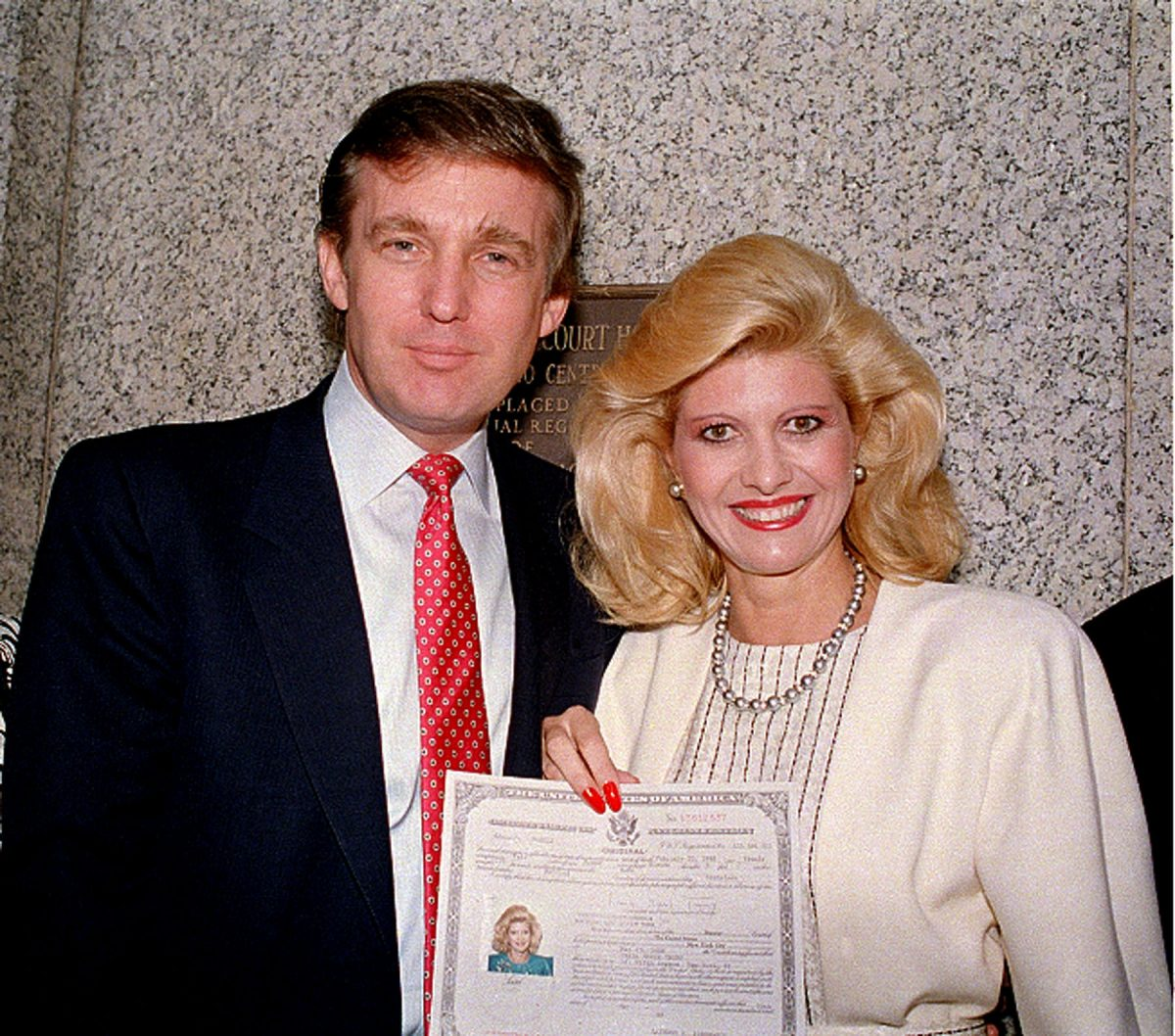
Local officials remained uneasy. Nick Strakhov, a Bedminster land-use board member, told The Washington Post, “It’s always been my suspicion that there’s something we don’t know.” Asked if he pursued the matter, he admitted, “I did not ask. It’s an obvious question.”
Whether Trump himself will eventually be buried at Bedminster remains uncertain. Most presidents opt for presidential libraries or national cemeteries like Arlington. Still, Ivana’s quiet grave, shielded from golfers’ view, signaled both personal meaning and strategic planning — the culmination of efforts Trump had pursued for over a decade.