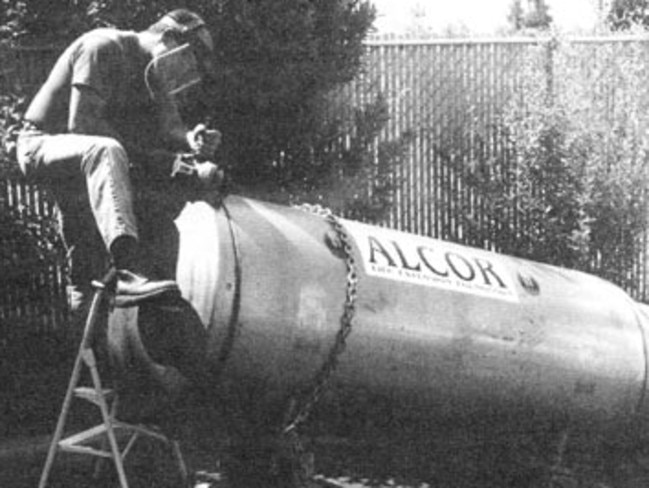
In 1991, Alcor decided to rehouse Bedford and check on his condition.
Cutting through the welded metal dewar, the Alcor technicians found Bedford in a pale blue sleeping bag tied to a rack with a nylon rope.
They transferred him to a liquid nitrogen bath surrounded by polystyrene foam where they kept him while he was examined.
Bedford was then wrapped in a new sleeping bag, immersed in liquid nitrogen, placed in an aluminium pod and into his new, larger dewar.
The examination of Bedford revealed “a well-developed, well nourished male who appears younger than his 73 years” with some skin discolouration on his upper chest and neck, which had two large puncture marks.
Bedford’s nose and mouth had smears of blood. His eyes were partially open and “the corneas are chalk-white from ice”.
Unmelted water ice obscured his genitals, but his lower legs could be seen, crossed with the right foot over the left.
Some surface fracturing of the skin was found, but overall given the length of his preservation Bedford’s condition was deemed good.


TV repairman Bob Nelson had more limited success with the other corpses he froze after Bedford.
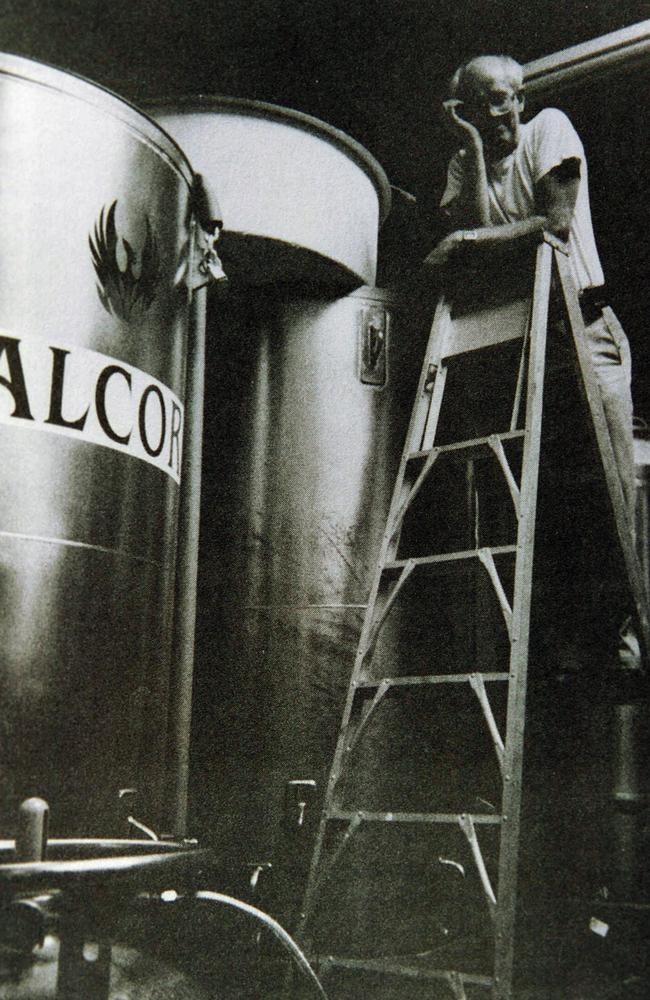
He had frozen another nine by the 1970s, but struggled with the costs, and built a vault at a cemetery outside Los Angeles capable of storing several liquid nitrogen tanks.
With relatives failing to pay for the storage, Nelson placed up to four bodies in each tank.
When the parents of a young girl cryogenically suspended in 1976 demanded to inspect their daughter in 1979, they were outraged to find she was decomposing.
The decomposition had occurred after a vacuum pump in the cemetery vault failed, allowing the nine bodies Nelson was preserving to thaw.
Among others who are cryogenically frozen in America, legendary Red Sox baseball player Ted Williams was immersed at Alcor in 2002 after dying at the age of 83.
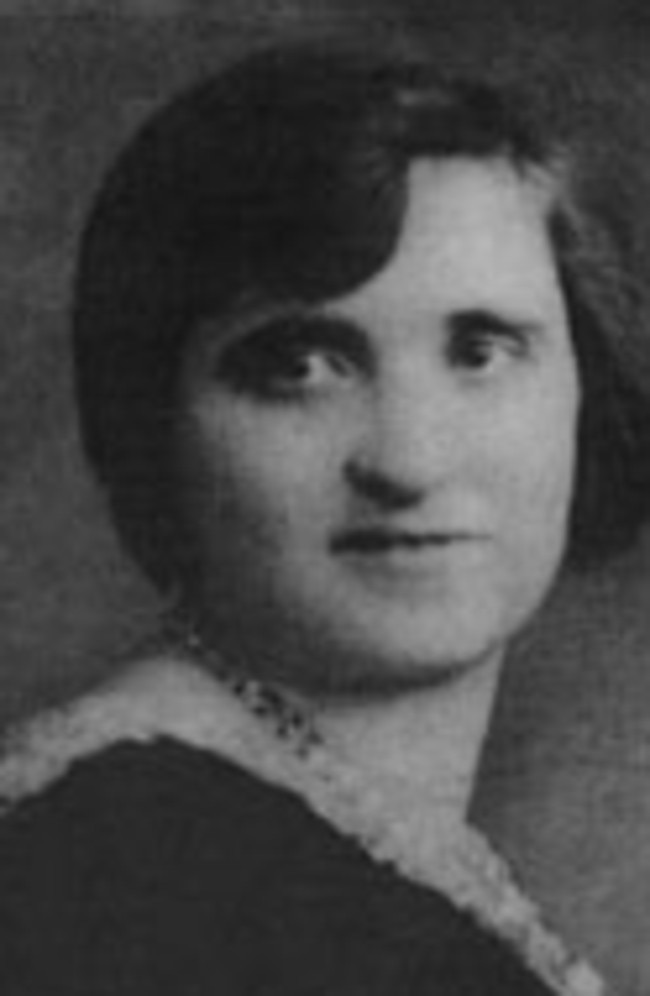
According to Alcor’s website, “the greatest crisis in the history” of the company occurred after the death of Dora Kent, the mother of one of its board members.
It happened when the 83-year-old retired dressmaker came down with pneumonia in December 1987, and death seemed imminent.
As Acor states, “a fateful decision was made to bring her into the facility before she deanimated”.
Alcor decided to only suspend Mrs Kent’s “neuro” (her head).
However, the local coroner became interested and conducted an autopsy on the headless body, concluded death was from natural causes, then reversed his decision and accused Alcor’s team of murder.
He “demanded and was refused the head for autopsy” and Alcor staff were handcuffed, detained, pursued, but eventually exonerated.
An out-of-court settlement of around $90,000 was awarded to the six the following year.