As the years passed, Mark watched from afar as Molly’s social media presence depicted a new life. She had returned to a college lifestyle, partying, traveling, enjoying a youth she felt was stolen. Eventually, Mark learned she had even reunited with Tanner, the man who refused accountability for the pregnancy in the first place. It stung, but Mark found solace in Amelia’s growth, achievements, and unconditional affection. He poured every ounce of love he had into being a good father.
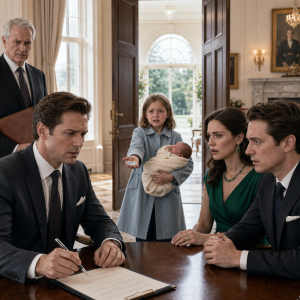
Then, unexpectedly, Molly reemerged. Now that Amelia was older, Molly decided she wanted her back, claiming that Tanner was ready to step up as the father figure. She marched into Mark’s home, demanding custody of the child she had not cared for or even contacted in years. Mark was horrified. Not only did Molly show up as if nothing had happened, she dismissed everything Mark had done. She called him by his first name, tried to rewrite history, insisting that Amelia belonged in her “real” family—the one that included Tanner.
But Mark refused to be steamrolled. He confronted Molly with the truth: he raised Amelia, took on responsibilities Tanner shirked, and sacrificed his youth to ensure Amelia never felt unloved. The matter went to court, each side represented by fierce lawyers. Mark’s attorneys warned him that family courts often favor the biological mother. Still, he pressed on, determined to show that Amelia was thriving under his care and that Molly’s reappearance was opportunistic, not nurturing.
The testimony that made the difference came from Amelia herself. By now, nearly a teenager, she possessed the clarity to express her feelings. Asked by the judge about her preferences, Amelia spoke plainly. She described how her mother abandoned her years ago, how Mark had been the one to feed, clothe, love, and guide her. She said she considered Mark her father in every sense of the word. The courtroom fell silent as she declared she wanted to remain with him, not the woman who came back only when it suited her new life narrative.
The judge, moved by Amelia’s heartfelt words, granted Mark full custody. Molly would have visitation rights, but she could not displace the father who had always been there. Mark, though relieved, encouraged Amelia to find it in her heart to forgive her mother and build some form of relationship. He did not want Amelia carrying bitterness or unresolved anger into adulthood.
Over time, Molly visited occasionally, struggling to rebuild trust and rapport with her daughter. Amelia approached these visits cautiously, remembering the hurt of abandonment but also aware of Mark’s guidance to be compassionate. Slowly, they formed a tenuous bond—not a fairytale reunion, but at least a stepping stone towards understanding. Amelia never forgot who was truly there for her. Each day, she reminded Mark that he was the best father anyone could have, reaffirming that the love and stability he provided couldn’t be erased by Molly’s late attempts to re-enter her life.
This story offers lessons that ring true far beyond this family’s confines. It teaches us that trust and love aren’t guaranteed by biology. True parenthood is defined not just by DNA but by daily acts of care, patience, and responsibility. Mark’s unconditional support created a safe and loving environment for Amelia, trumping Molly’s belated and self-serving claims to motherhood. It also warns that running from responsibilities rarely leads to genuine happiness. Molly abandoned her family to chase youthful freedom, only to realize that regaining what she cast aside would be neither simple nor guaranteed.
As readers, we can appreciate Mark’s quiet heroism. He stood by Molly in her darkest hour without expecting love or acknowledgment. Later, when faced with adversity, he persisted for Amelia’s sake. His eventual victory in court symbolizes the reward for doing what’s right, even when it’s hard and thankless. That perseverance ensured Amelia grew up knowing she was cherished. The final message is clear: genuine love, understanding, and consistency forge the strongest bonds in a family—bonds that can withstand attempts to rewrite the past.
In a world where complicated relationships and surprising twists are common, stories like this remind us to value those who stand by us, protect our interests, and fulfill their promises. We learn that motherhood and fatherhood aren’t just titles; they’re earned through steady devotion, empathy, and sacrifice. If nothing else, this narrative reaffirms that love and parenting go far beyond bloodlines. It’s not the easy moments but the hardest trials that reveal who truly cares.