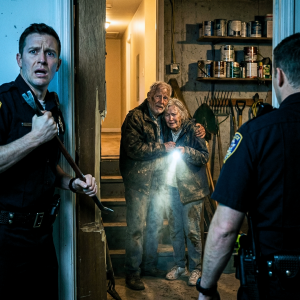
Maria felt her pulse roar in her ears. “So this object was left inside her mouth during that visit?”
“We believe so,” the officer replied. “We are opening an investigation into the practitioner and into your former husband’s negligence.”
Talia rested her head on Maria’s shoulder. Maria stroked her hair. Rage and fear and guilt all tangled together within her. She had trusted Jerome to act responsibly. She had wanted co parenting to work. She had assumed he would never place their daughter at risk.
By the next morning, the city’s child services office called. They wanted Maria’s account of the timeline. They informed her that Jerome’s visitation rights would temporarily shift to supervised sessions until further review. For the first time in years, Maria felt a strange steadiness settle over her. This was no longer about arguments or pride. This was about safety.
Talia slowly improved under Paulo’s supervision. He cleaned the area thoroughly, prescribed antibiotics, and scheduled follow ups. Maria slept on the floor of Talia’s room for two nights, afraid to leave her alone. Whenever the girl stirred or sighed, Maria sat upright instantly.
Three days later, Jerome arrived at her door without calling. Maria opened it reluctantly. He looked drained, with a tightness around his eyes she had not seen before.
“I messed everything up,” he said quietly. “I thought the clinic was fine. It was cheaper. They said they were trained. I should have checked.”
Maria kept her arms crossed. “You should have cared enough to verify. She trusted you.”
He nodded. “I know. I am going to take the classes the court recommended. I will do whatever they ask. I want her to feel safe with me again.”
Maria studied him for several seconds. She did not forgive him. Not yet. But she recognized sincerity when she saw it. “Then do it consistently,” she said. “Not for me. For her.”
Weeks passed. The investigation concluded. The unlicensed practitioner faced charges for endangering minors and practicing without certification. Jerome received strict guidelines for medical decisions and supervised visitation for a period of time. He complied without argument.
Slowly, carefully, life steadied again.

Talia healed. She smiled again. She returned to her favorite activities without wincing. When Maria picked her up from school one afternoon, she asked a quiet question while buckling her seatbelt. “Mom, do you think everything will feel normal again?”
“Yes,” Maria said softly. “Not instantly. But yes. We will build something better.”
Spring sunlight washed through the car windows as they drove home. Maria felt the shift inside her. She had stepped into a new certainty. She would listen closely. She would act quickly. She would protect her daughter no matter what.
And for the first time in a long while, the future felt like something she could shape with her own hands.