If your child is bitten by an earwig (or any bug), here’s what you should do:
- Wash the area gently with soap and water to keep it clean and reduce the risk of infection.
- Apply a cold compress to bring down any swelling and ease the discomfort.
- If your child is itching, you can use an over-the-counter antihistamine or a small amount of hydrocortisone cream.
- Most importantly, remind your child not to scratch the bite, as that can irritate the skin or introduce bacteria.
When You Should See a Doctor
In general, earwig bites aren’t serious. But if your child has symptoms like:
- Severe or worsening pain
- A lot of swelling
- Signs of an allergic reaction (like trouble breathing, hives, or dizziness)
- The area becoming red, hot, or oozing pus
Then it’s time to call your doctor or visit a clinic. These could be signs of an infection or something more serious.
How to Prevent Earwig Encounters in the Future
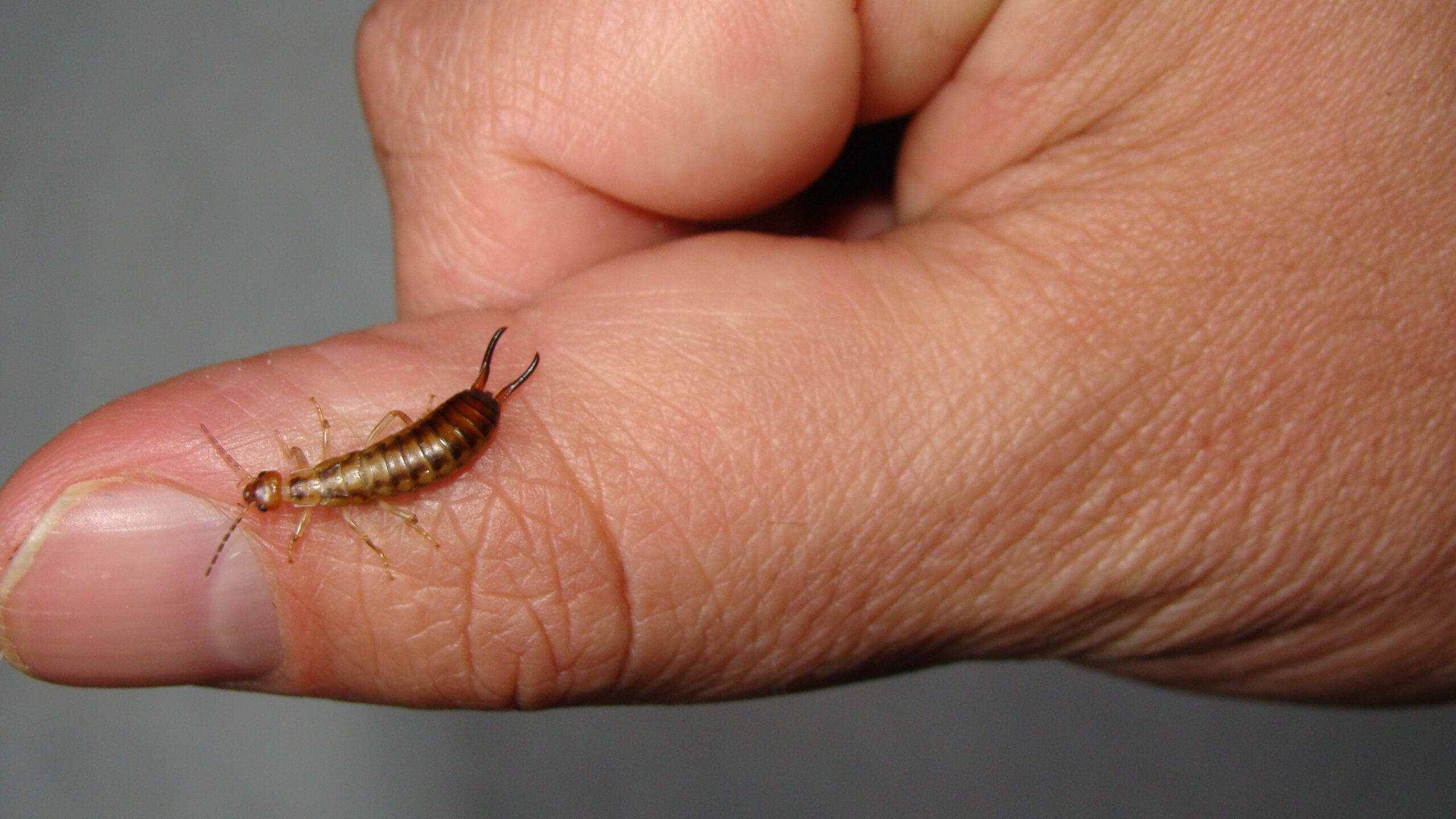
You can reduce the chance of running into earwigs with a few simple steps:
- Keep your home and garden tidy — clear away piles of leaves, wood, or other clutter.
- Make sure doors and windows are well-sealed, especially at ground level.
- In outdoor spaces, you might try natural repellents like diatomaceous earth or certain essential oils.
- Teach your kids to be cautious around dark, damp places, especially when playing outside.
Final Thoughts: Don’t Panic — Be Prepared
Discovering a bug bite on your child can be unnerving, especially when you’re not sure what caused it. But knowing a bit more about earwigs and how they behave can help ease those fears. Despite their scary look, earwigs are mostly harmless, and their bites usually aren’t something to worry about.
By staying calm, cleaning the bite properly, and watching for signs of infection, you’ll be doing everything right. A little knowledge goes a long way toward keeping your child safe — and keeping your peace of mind intact.