Officials say that hundreds of stray cats that roam a historic seaside tourist area of Puerto Rico’s capital will be removed over the coming year.
Hundreds of stray cats that roam a historic seaside tourist area of Puerto Rico’s capital where they are considered both a delight and a nuisance will be removed over the coming year, under a plan unveiled Tuesday by the U.S. National Park Service.
The agency said it will contract an animal welfare organization to remove the 200 cats estimated to live on 75 acres surrounding a fortress at the San Juan National Historic Site that the federal agency operates in Old San Juan. If the organization fails to remove the cats within six months, the park service said it would hire a removal agency.

Cat lovers responded to the plan with dismay, but the agency noted that the felines can transmit illnesses to humans. “All visitors will benefit from the removal of a potential disease vector from the park,” the park service plan stated.
The six-month timetable to remove the cats is unrealistic, said Ana María Salicrup, secretary of the board of directors for the nonprofit group Save a Gato, which currently helps care for the cats and which hopes to be chosen to implement the plan.
“Anyone who has worked with cats knows that is impossible,” Salicrup said. “They are setting us up for failure.”
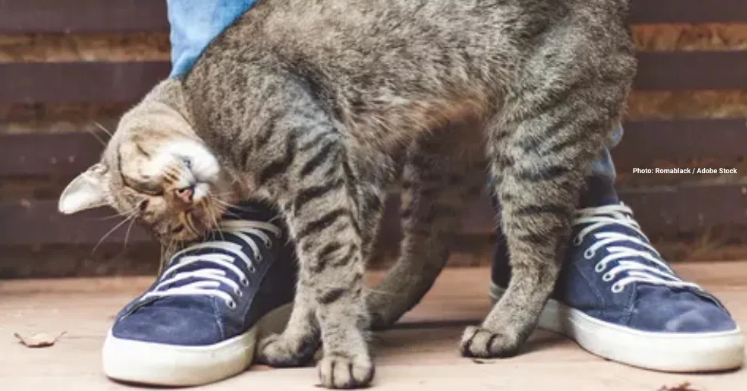
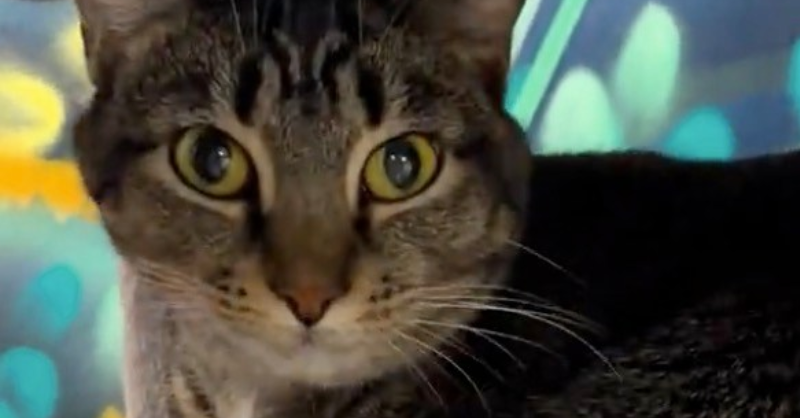
Cats of all sizes, colors and temperaments meander the seaside trails that surround a 16th-century fortress known as “El Morro” overlooking an expanse of deep turquoise waters in the northwestern point of the San Juan capital.

Some are believed to be descendants of colonial-era cats, while others were brought to the capital by legendary San Juan Mayor Felisa Rincón de Gautier to kill rats in the mid-20th century. Since then, they have multiplied into the hundreds to the enchantment of some residents and tourists, and the disgust of others.
Visitors can be seen snapping pictures of cats daily as residents and volunteers with Save a Gato tend to them. The group feeds, spays and neuters cats, and places them into adoption.
About two years ago, federal officials said the cat population had grown too much and that the “encounters between visitors and cats and the smell of urine and feces are … inconsistent with the cultural landscape.”