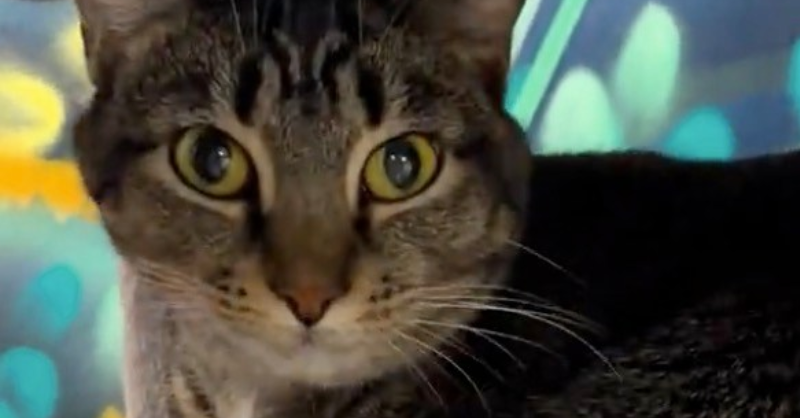
Last year, the U.S. National Park Service held a hearing as part of a plan it said would improve the safety of visitors and employees and protect cultural and natural resources. It offered two options: remove the cats or keep the status quo.
Those who attended overwhelmingly rejected the first option, with one man describing the cats as “one of the wonders of Old San Juan.” The cats even have their own statue in the historic area where they roam.
“These cats are unique to San Juan,” Danna Wakefield, a solar contractor who moved to Puerto Rico in 2020, said in an interview. She visits the cats weekly. “Me and many other people love that walk because of the cats. Otherwise, it would be a very boring walk.”
She has three favorite cats, including a black one with golden eyes that she nicknamed “Cross.”
“He won’t have anything to do with anybody,” Wakefield said with a laugh.

The U.S. Park Service plan unveiled Tuesday calls for current cat feeding stations to be removed unless they’re being used temporarily to help trap the felines. It noted that unauthorized feeding of the cats is prohibited, that it attracts rats and encourages people seeking to abandon their cats to do so in that area, knowing they’ll be fed.
The agency plan says the animal welfare organization that’s selected will be tasked with deciding whether the trapped cats will be adopted, placed in a foster home, kept in a shelter or face other options.
Salicrup said it’s difficult to find homes for so many cats, and that Save a Gato has reached out to many sanctuaries in the U.S. mainland. “The response always is, ‘You cannot bring 100 cats here,’” she said.
The National Park Service noted that the six-month deadline to trap cats could be extended if it sees substantial progress. If not, the agency would terminate the current plan and hire a removal agency.