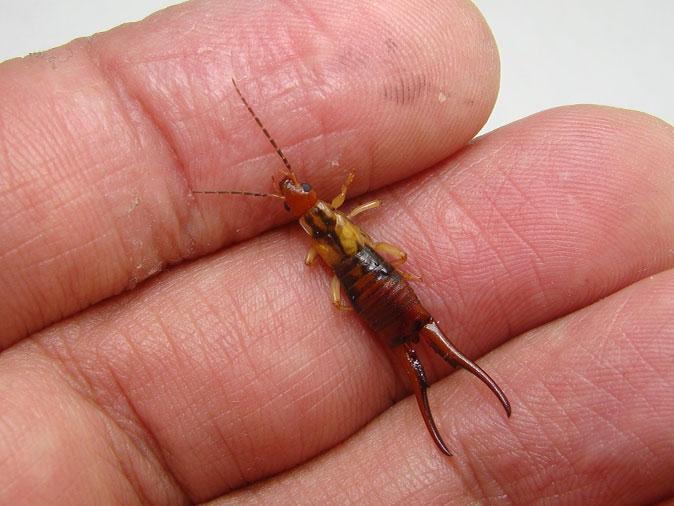
As a parent, it’s completely understandable to feel a wave of anxiety when your child gets bitten by an unknown insect. Not knowing what kind of bug is involved can make the situation even more stressful, especially when it concerns your child’s health and safety. In this article, we’ll take a closer look at a common yet often misunderstood insect — the earwig — and what you should do if you think one might have bitten your child. With the right information, you’ll feel more in control and less worried.
What Is an Earwig?
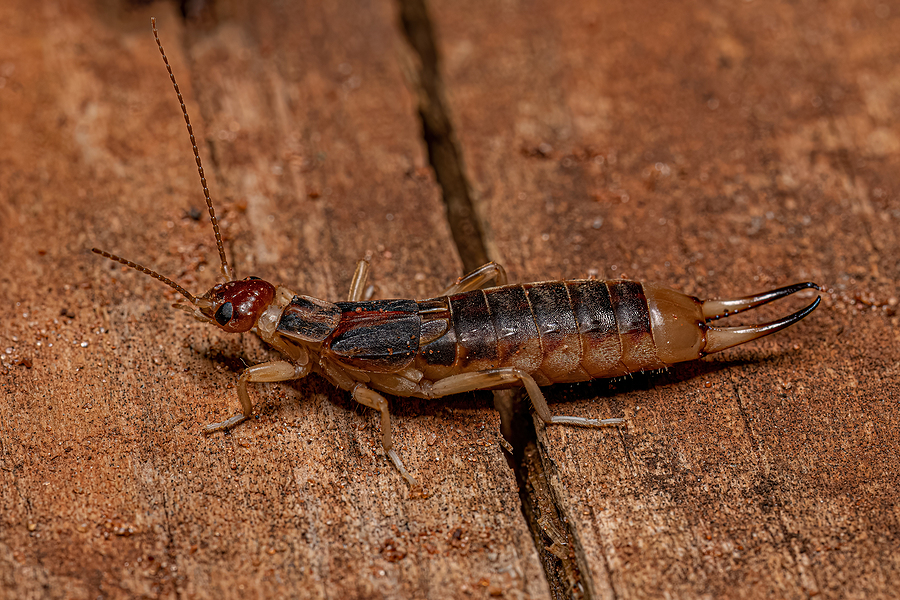
Earwigs are part of the insect group known as Dermaptera. They’re usually easy to spot because of their long, narrow bodies and the distinct pincers (or forceps) they have at the ends of their abdomens. Although their appearance can be a bit alarming, earwigs are generally not dangerous to humans. These bugs are active at night and like to hang out in moist, dark places — like under rocks or in garden beds. Occasionally, they might sneak inside your home, but they don’t pose much of a threat.
What an Earwig Bite Looks Like on a Child

While earwigs do have pincers and can pinch, they rarely bite people. If they do, it’s usually mild. In children, an earwig bite may cause light redness, small swelling, and a little itching or irritation where the skin was pinched. The discomfort is typically short-lived and goes away without any complications. Still, it’s a good idea to soothe your child and keep an eye on the area for any unusual changes.
What to Do Right After the Bite