Known as the “sunshine vitamin,” vitamin D plays a vital part in keeping your body functioning at its best.
From supporting your immune defenses and bone strength to regulating mood and promoting heart health, this nutrient does a lot more than most people realize.
Yet despite its importance, many individuals fall short on vitamin D due to lack of sun exposure, poor diet, or certain health conditions—leading to symptoms that can seriously affect daily life.
Here are 7 telltale signs you might be vitamin D deficient, along with actionable ways to restore healthy levels and give your immunity a boost.
1. You’re Always Getting Sick
Why It Happens: Vitamin D is crucial for your immune system. It activates T-cells and other immune defenses that target viruses and harmful bacteria.
What to Watch For: If you’re constantly coming down with colds, the flu, or other infections, it could signal low vitamin D.
What to Do: Try to increase your sun exposure, add more vitamin D-rich foods to your diet, or consider supplementation if needed.
2. Persistent Fatigue or Low Energy
Why It Happens: Low vitamin D levels have been linked to fatigue, possibly due to its role in how your cells produce energy.
What to Watch For: You feel exhausted all the time—even after a full night’s sleep or rest.
What to Do: Add foods rich in vitamin D to your meals or discuss supplements with your healthcare provider.
3. Bone Discomfort or Weak Muscles
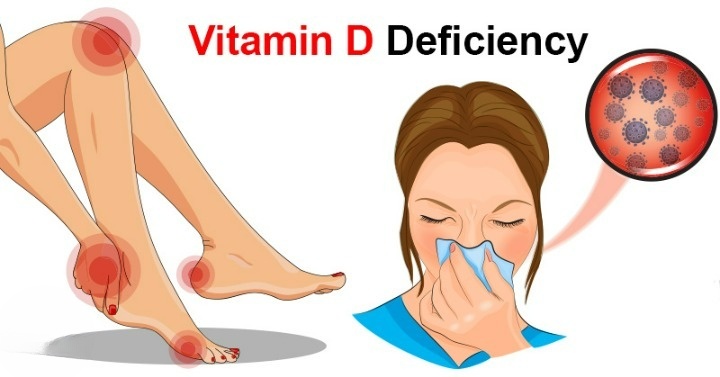
Why It Happens: Vitamin D enhances calcium absorption, essential for bone strength. Without enough, you may develop bone pain or feel physically weak.
What to Watch For: Aching in your bones (especially in the lower back, hips, or legs), or struggling with movements like standing up or climbing stairs.
What to Do: Combine vitamin D intake with calcium-rich foods like dairy products, leafy greens, or fortified plant milks.
4. Mood Swings or Feelings of Depression
Why It Happens: The brain has vitamin D receptors that influence mood. A deficiency is often linked to increased risk of depression, anxiety, or seasonal affective disorder (SAD).
What to Watch For: Ongoing sadness, lack of motivation, or irritability—especially during darker winter months.
What to Do: Spend more time outdoors when possible, and look into light therapy or vitamin D supplementation.
5. Slow Healing Wounds
Why It Happens: Vitamin D helps control inflammation and supports new tissue growth, which are essential for healing.
What to Watch For: Cuts, scrapes, or even surgical wounds that take longer than usual to close.
What to Do: Ensure you’re meeting your daily vitamin D needs to speed up recovery and reduce inflammation.