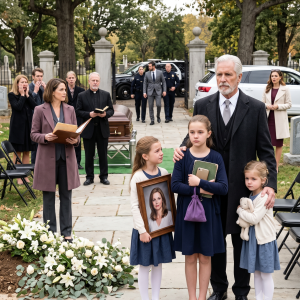
Keeping the ashes of a deceased loved one at home has become increasingly common — a way for many people to feel close to someone they’ve lost. Yet, this practice carries different meanings depending on one’s spiritual or religious beliefs.
Below, we explore two perspectives on this sensitive topic: Spiritualism and Christianity.
The Spiritualist Perspective

In Spiritism, death is viewed not as an end but as a transition — the moment when the spirit leaves the physical body to continue its evolution on a spiritual plane.
According to this belief, the emotions and thoughts of loved ones can influence the spirit after death. Keeping the ashes of the deceased at home, especially when the family struggles to let go, may hinder the spirit’s peace and progress.
Spiritism teaches that strong emotional attachment to material remains — such as ashes — can act as a link that binds the spirit to the earthly world. This attachment may be uncomfortable for the departed soul, as spiritual evolution requires freedom and detachment from material ties.
For that reason, many followers believe it is better to place the ashes in a resting place or scatter them in nature, allowing the spirit to continue its journey without emotional or energetic interference.