The Christian Perspective
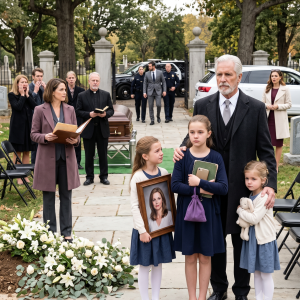
Christianity teaches that the human body is sacred and that death marks the beginning of eternal life in God’s presence. Traditionally, the faithful have buried the body in a cemetery or another consecrated place to honor its sanctity.
Although cremation was once discouraged, most Christian denominations now accept it — provided the ashes are treated with respect.
For example, the Catholic Church permits cremation but recommends that ashes be placed in a consecrated location such as a cemetery or columbarium, rather than being kept at home. This guidance stems from the belief that such places preserve the dignity of the body and offer loved ones a peaceful space for remembrance and prayer. Keeping ashes at home, in contrast, could blur the sense of sacredness and make it harder for family members to move through the grieving process.
A Personal Reflection

Both Spiritism and Christianity offer meaningful insights on what to do with a loved one’s ashes. Yet grief is deeply personal — and what brings peace to one person may not comfort another.
For some, keeping the ashes at home provides a sense of closeness and tranquility. For others, laying them to rest in a cemetery or returning them to nature represents release, respect, and acceptance.
Ultimately, the decision is a personal one that deserves understanding, not judgment. What matters most is the love, intention, and respect behind the choice — and how it helps the living find serenity while honoring the memory of the departed.