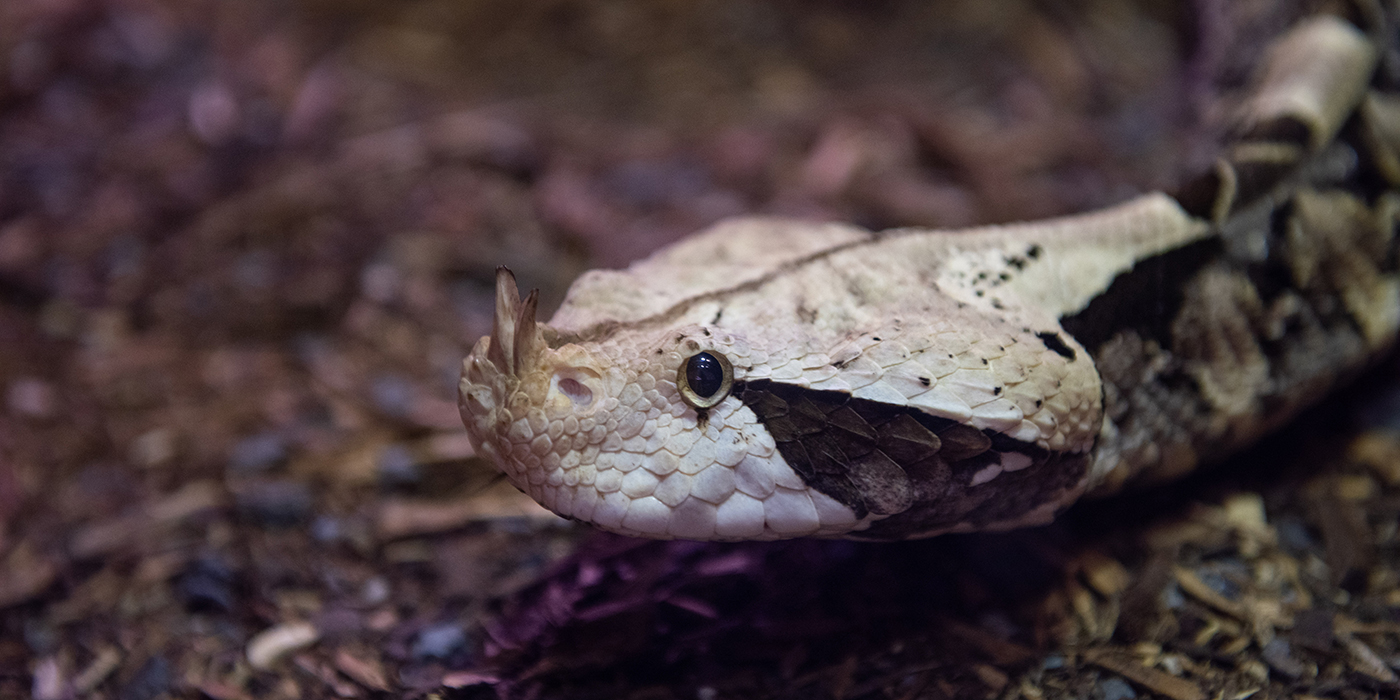
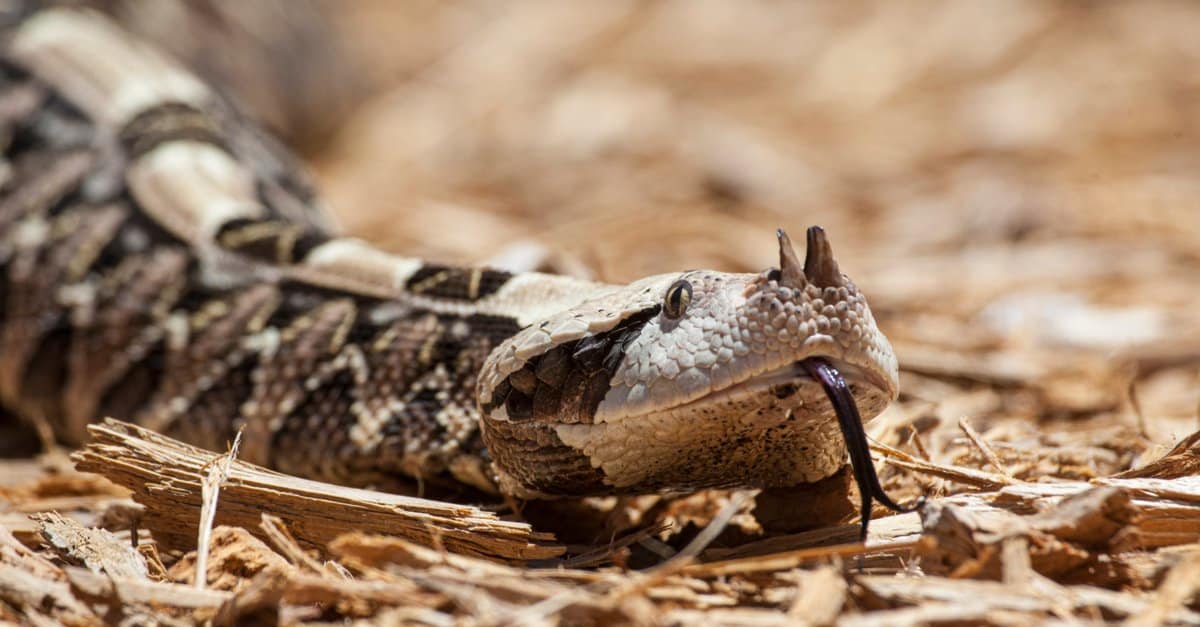
The vipers can also control how much venom gets injected into its victim, so some bites can have no effect while others cause a hasty death. When they are particularly hungry, they can attack almost any movement, another instance where they might accidentally attack a human. And while most snakes lay eggs, these vipers reproduce by giving birth, often to 50 to 60 babies at once. They also can have a relatively long lifespan, living for about 20 years.
The Danger of Exotic Pet Snakes A similar case to the man in North Carolina occurred soon after in Virginia, where another man was bitten by his pet gaboon viper. The police department had to request an “expedited delivery” of anti-venom from the Virginia Aquarium and Marine Science Center in addition to the anti-venom from the Smithsonian National Zoo.
“The concern is with these snakes that are not endemic to our area — are not native to our area — is if these patients require treatment with anti-venom, is trying to locate the anti-venom and then trying to get it to the health care facility,” said Natasha Tobarran, D.O., with Virginia Poison Center.
Zoos and aquariums keep these exotic anti-venoms as a safety precaution for the employees caring for these non-native species. “The Virginia Aquarium & Marine Science Center provided 35 doses of anti-venom for emergency transport by state police to the VCU Medical Center,” said Mackenzie Di Nardo with the aquarium.
Fortunately, it’s rare to get a snake bite while in nature. “The majority of the snakes that you find, especially in your backyard, or in your crawlspace or wherever, even sometimes make their way into people’s garages, are completely harmless.
The other big thing is that snakes, in general by nature, are not aggressive animals,” said Kortney Jaworski, Herpetology Curator at the Virginia Living Museum. Additionally, in the rare case of a snake bite, local hospitals are equipped with anti-venom for species in the area.
“None of the old wives’ tales apply. So don’t try to suck the venom out. Don’t cut it open. Don’t, don’t put a tourniquet on it. Especially don’t put a tourniquet on it because basically what you’re doing is isolating that toxin,” said Jaworski. She added that exotic pets require a special permit but they also come with the risks of unattainable or hard-to-attain treatment in cases of emergency.