Matcha green tea has gained immense popularity thanks to its impressive range of health benefits, largely due to its high antioxidant content.
Unlike regular green tea, drinking Matcha means consuming the entire powdered leaf of the Camellia sinensis plant. This results in a higher intake of nutrients and amino acids. Although Matcha contains caffeine, it also includes compounds that counteract its jittery effects.
What Is Matcha Tea?
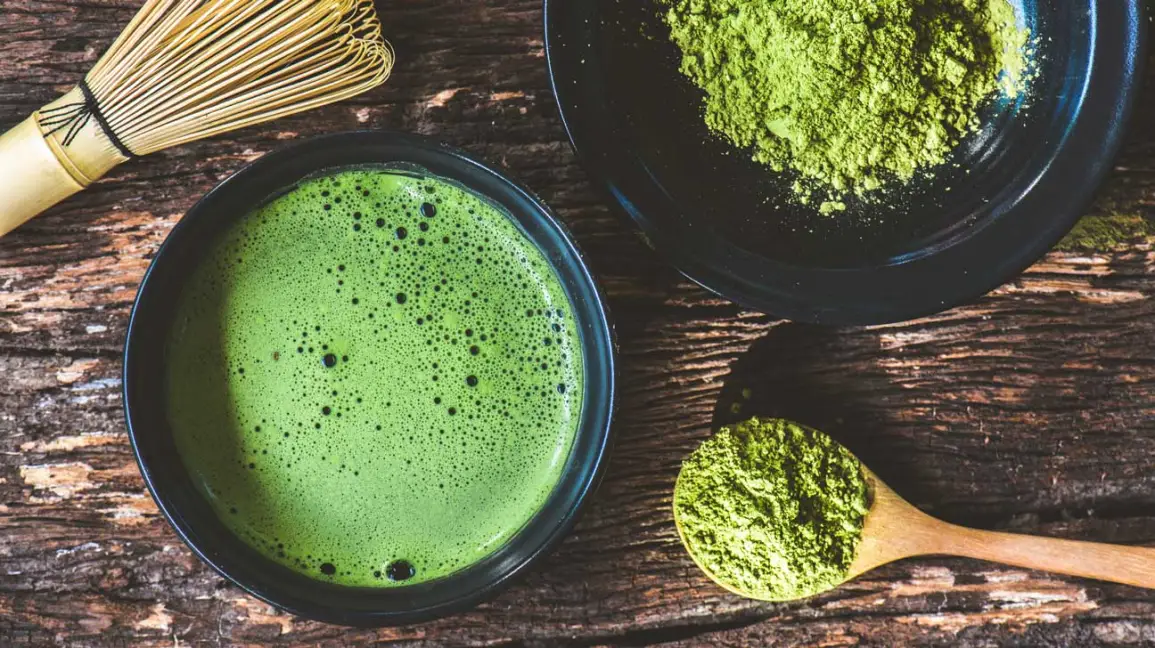
Matcha is made by grinding specially grown green tea leaves into a fine, vibrant green powder. According to Dr. Jennifer Robinson via WebMD, farmers shade the plants from sunlight two weeks before harvest to enhance the amino acids and antioxidants, setting Matcha apart from other teas.
Unlike fermented teas like oolong or black tea, Matcha leaves are dried and then roasted before being ground. The term “Matcha” translates to “powdered tea” in Japanese.
Nutritional Profile of Matcha
Matcha is packed with beneficial compounds like catechins, flavanols, and polyphenols. EGCG is especially noted for its potential anticancer effects. These antioxidants also contribute to reduced risks of chronic diseases, including heart disease and type 2 diabetes.
One key amino acid found in Matcha, L-theanine, has calming effects on the brain without causing drowsiness. Matcha’s polyphenols also have antimicrobial and antibacterial properties, which may help prevent infections and support oral health by fighting bacteria like Fusobacterium nucleatum, associated with gum disease.
Matcha also provides trace minerals like magnesium, iron, calcium, and zinc.