Caffeine Content in Matcha
Matcha contains more caffeine than green tea, but less than coffee. One gram of Matcha powder has about 24 mg of caffeine—so a typical serving (around 2 grams) contains roughly 48 mg. In comparison, a cup of coffee may have anywhere between 88 and 190 mg of caffeine, depending on how it’s brewed.
While Matcha has a gentler caffeine effect than coffee, it still offers mental clarity and alertness, partly due to L-theanine.
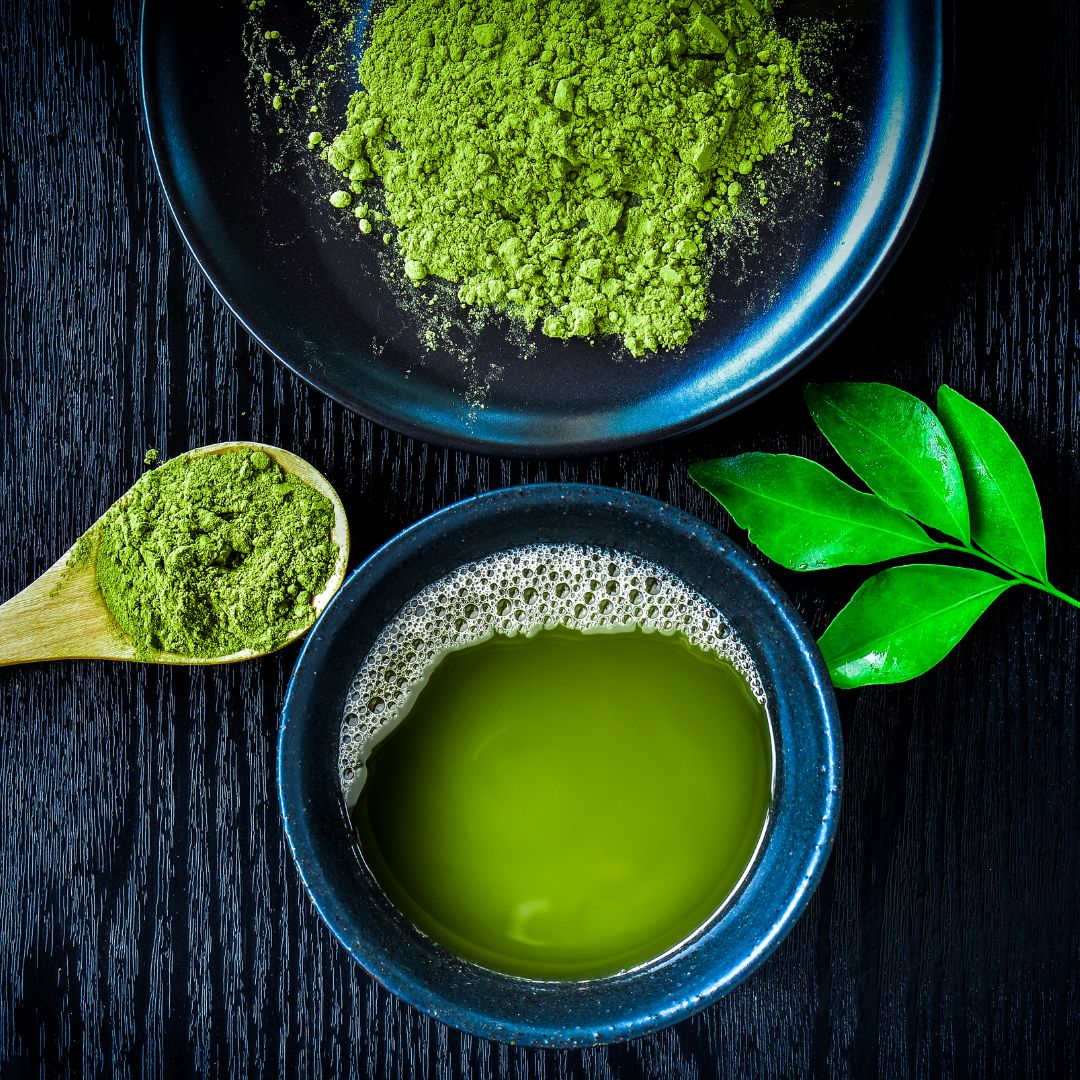
How Much Matcha Should You Drink?
There’s no strict rule, but most people consume 1 to 2 cups per day. Each cup provides the benefits of several cups of regular green tea.
Since it contains the whole leaf, overconsumption could pose liver strain, so moderation is advised—especially for those with caffeine sensitivity or underlying health conditions.
How to Make Matcha
Matcha can be prepared in several ways:
- Traditional style: Sift 1–2 tsp of Matcha into a bowl, add hot water, and whisk with a bamboo whisk until frothy. Drink directly from the bowl.
- Matcha latte: Mix Matcha powder with a bit of water to form a paste, then add warm (or cold) milk and sweetener.
- Simple cup method: Stir Matcha with hot water directly in a cup, optionally adding a sweetener.
Health Benefits of Matcha Tea
- Boosts Brain Function: A combination of caffeine, L-theanine, and EGCG can enhance memory, attention, and cognitive clarity.
- Reduces Blood Pressure: Polyphenols in Matcha may help manage hypertension.
- Lowers Cholesterol: Studies show Matcha helps reduce LDL (“bad”) cholesterol and total cholesterol levels.
- Stabilizes Blood Sugar: Matcha may aid in lowering blood glucose and fat levels in the blood.
- Anticancer Potential: EGCG and other compounds in Matcha may help slow tumor growth and reduce cancer risk. One Japanese study linked high green tea intake with a delayed onset of several cancers.
- Supports Liver and Kidney Health: Animal studies suggest Matcha may help protect liver and kidney function, especially in cases of diabetes.
- Promotes Weight Loss: Research shows that Matcha enhances fat oxidation, particularly when combined with exercise.

Potential Side Effects of Matcha
For most people, 1–2 cups a day are safe and beneficial. However, some may experience:
- Elevated blood pressure due to caffeine
- Increased anxiety in sensitive individuals
- Lowered blood sugar, especially when combined with diabetes medications
- IBS flare-ups
- Decreased calcium absorption, which could affect bone health if consumed excessively
Lead Contamination Concerns
Matcha may contain trace amounts of heavy metals like lead, absorbed from the soil. According to Environmental Monitoring and Assessment, most levels are within safe limits. Still, choosing high-quality, organic Matcha from trusted sources minimizes risk.