Cats

Scientists reveal how to understand what your cat is trying to say

Part 2 of 2

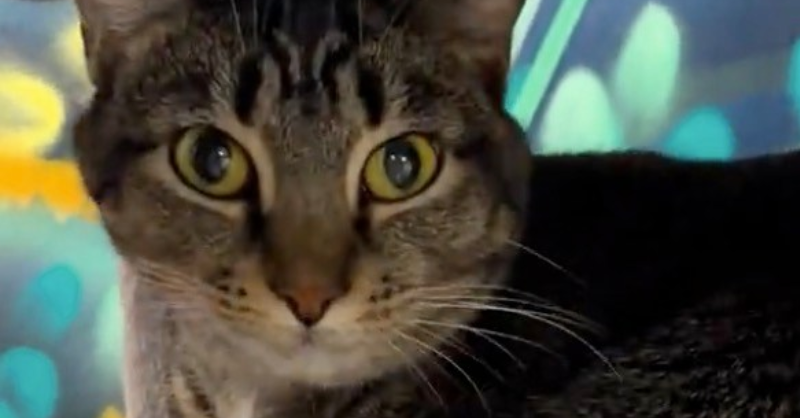
The feline faces communicated everything from their intent to be playful to aggressive and all moods in between.

Majority of the cats’ expressions in the study were either distinctly friendly (45 per cent) or aggressive (37 per cent). About 18 per cent were ambiguous and fell into both categories.

While it remains unclear what exactly the cats are saying to each other with these expressions, scientists found some overall patterns in their communications.

For instance, researchers say the cats move their ears and whiskers toward another feline during friendly interactions, and tend to move them away from others during unfriendly interactions.

Some of these expressions, including some sneers and smiles were not just meant for communication between cats but also a product of the feline’s 10,000-year co-evolution with humans, scientists say.

“Our findings indicate that domestication likely had a significant impact on the development of intraspecific facial signaling repertoires in cats,” researchers wrote in the study.

The latest research also shows that cats are far from the nonsocial creatures they are often thought to be.

Scientists say the new findings can also help pet owners in the future to better understand their cats and select the felines that could get along better with the ones they already care for.

12

Related Posts

The presence of a cat in the house would be beneficial on an energetic level: it would ward off negative waves and calm the mind.

Part 2 of 2 Tuned In and Emotionally Aware According to the same British study, 3 out of 4 people claim their cat often anticipates events — whether...

After 260 days in the shelter, a heartbroken dog “cries endlessly,” longing for a loving forever home

Major, a shelter dog from Indiana, is a touching example of how hard it can be for some animals to find a home. For more than 260 days,...

A guide to the lifespan of different dog breeds

Part 2 of 2 A dog’s health starts with what’s in their bowl. Whether they eat kibble, wet food, or homemade meals, the key is to provide: High-quality...

Behavior: My cat is rubbing and scratching against me… What does it mean?

Part 2 of 2 That’s because the parts he rubs against you—flanks, chin, and base of tail—are densely covered in pheromone glands. These invisible molecules constitute an olfactory...

Cat returned to shelter after other cats “picked on” her in foster care — but now she has a happy ending

Part 2 of 2 Making the situation even sadder, Ahsoka officially became the shelter’s longest resident after going more than a year without being adopted. Still, her carers...

Để lại một bình luận

Email của bạn sẽ không được hiển thị công khai. Các trường bắt buộc được đánh dấu *