Part 2 of 2
Here are a few ideas scientists are looking into:
- Ocean currents and winds – They might have drifted in from nearby countries like Israel or Syria, where they already live.
- Food shortage – Maybe their home waters don’t have enough food anymore, so they’re moving to new areas with more to eat.
- Climate change – Warmer temperatures and changes in water conditions might be helping them survive in new places.
Experts aren’t sure yet, but they agree that their growing presence is something to watch closely.
How Can You Stay Safe?
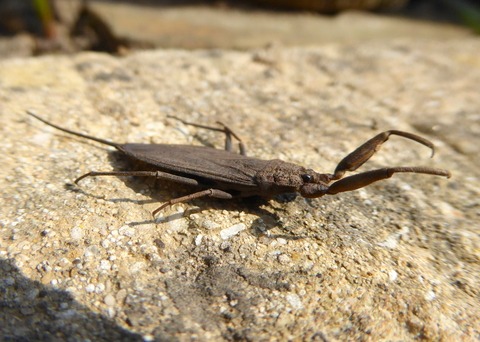
Planning a beach vacation to Cyprus or other Mediterranean spots? Here’s how to avoid getting stung:
- Stay away from still or shallow waters, especially where water doesn’t move much.
- Look carefully along the shore—they might be floating or hiding in seaweed.
- Don’t touch them, even if they look dead. They can still sting.
- Wear water shoes when walking near or in the water. They help protect your feet.
Is This a Long-Term Problem?
Scientists are still studying the situation. It’s not clear whether this is just a temporary increase or if the bugs are here to stay. Either way, their arrival is a reminder of how fragile our ecosystems can be—and how changing climates and environments can bring surprises.
For now, if you’re heading to Cyprus or nearby beaches, stay alert—and enjoy your trip safely!
12