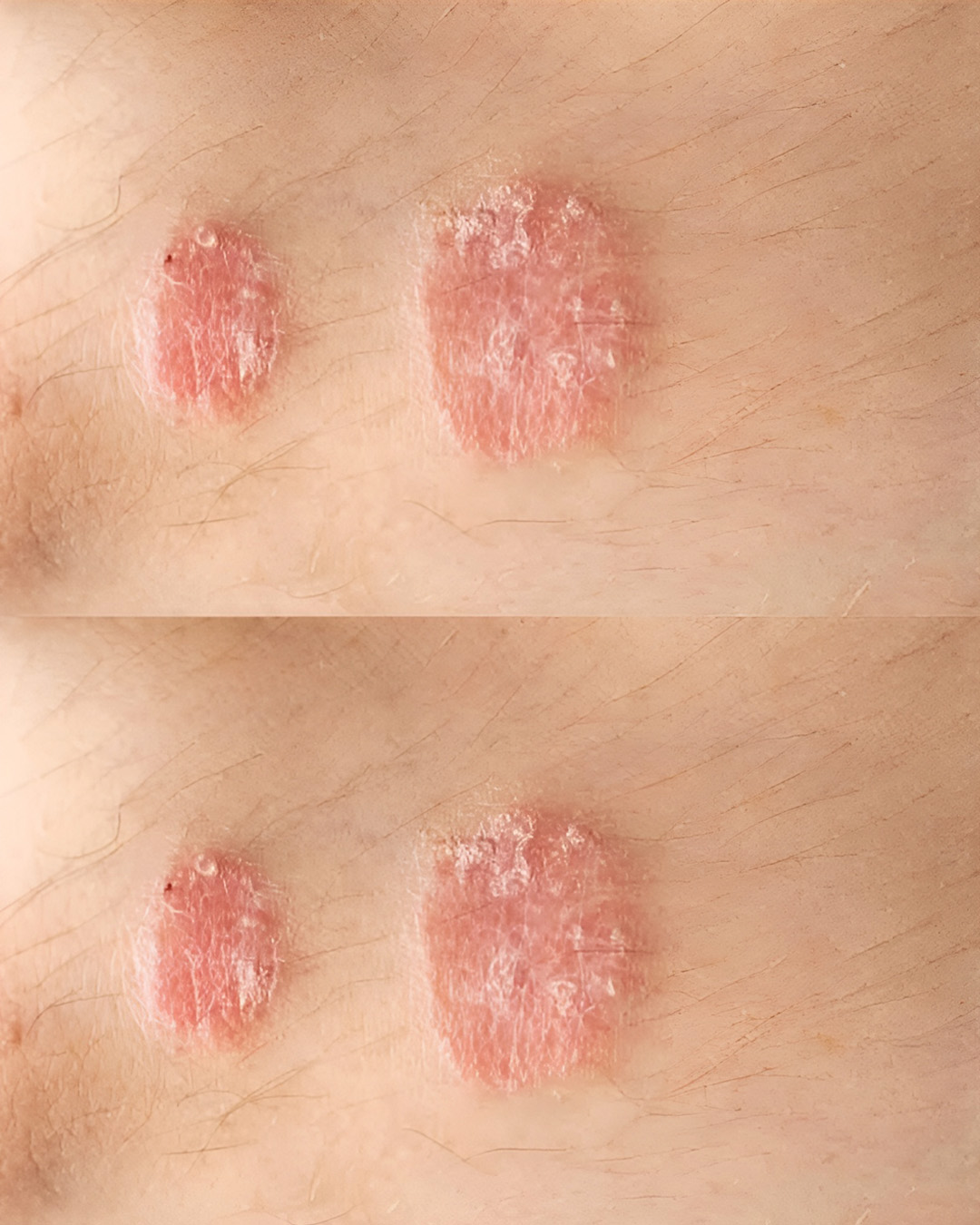
You might see red, itchy patches on someone’s skin and think it’s just irritation. But if they don’t go away, it could be psoriasis, a chronic and sometimes painful condition. Often misunderstood, psoriasis can seriously affect daily life. The good news? With better understanding comes better control.
What is psoriasis? An internal disorder
Psoriasis isn’t contagious—it’s an autoimmune condition where the immune system mistakenly attacks the skin, causing thick, red, scaly patches. Triggers include genetics, stress, infections, or sunburn. It can also affect nails and joints, not just the skin.
Plaque psoriasis: the most common, but not the simplest
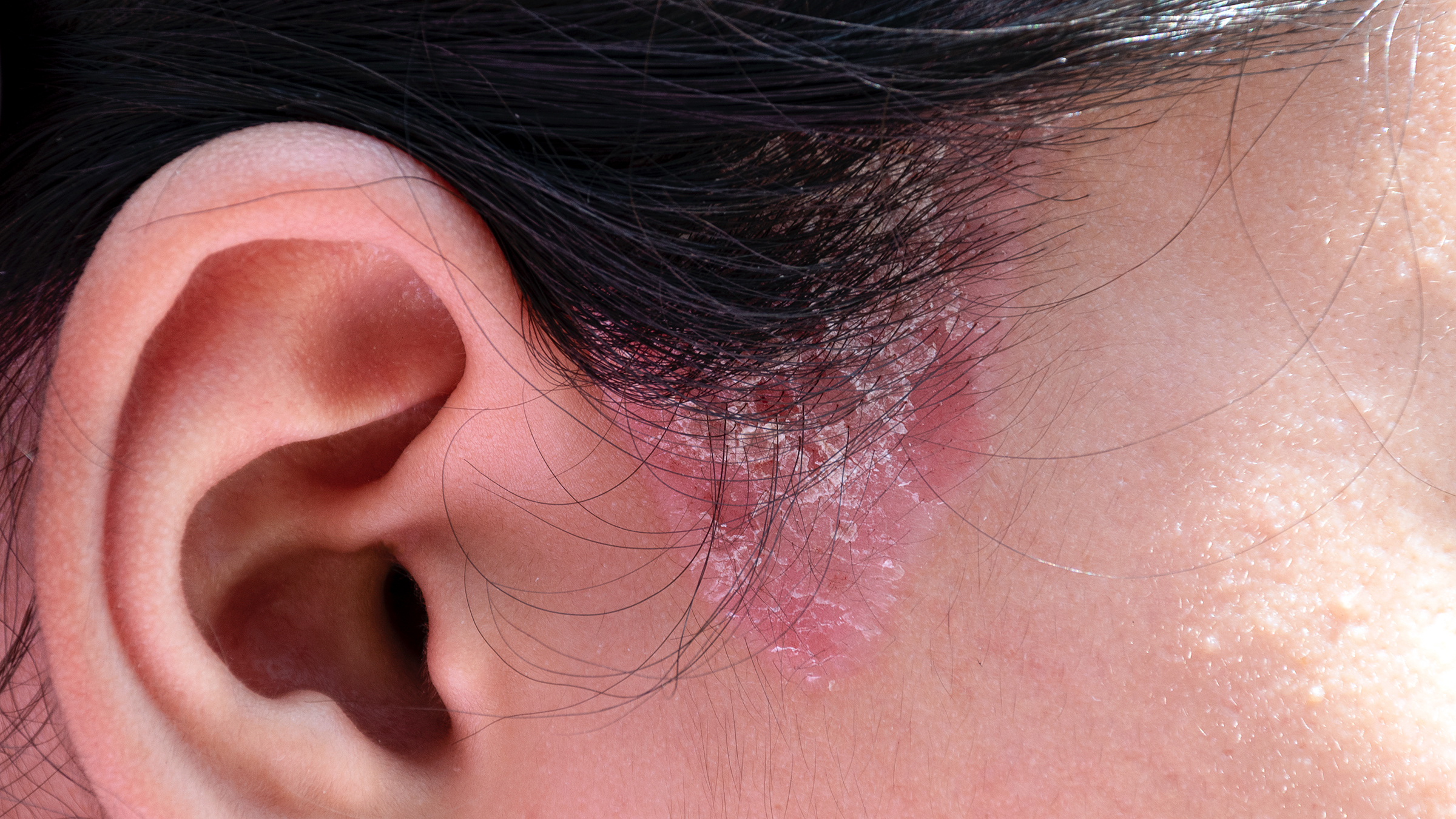
Imagine your skin feeling like it’s covered in peeling paint — rough, dry, and sometimes painful to touch. That’s what plaque psoriasis often feels like. It’s the most common type of psoriasis.
Common symptoms include:
- Thick, red patches of skin with silvery-white flakes
- Usually shows up on the elbows, knees, scalp, and lower back
- Itching that can range from annoying to intense
On different skin tones, the patches can look different and may leave darker or lighter spots after healing — this is called post-inflammatory hyperpigmentation.
Guttate psoriasis: small spots, big problems
This type, which often shows up in kids or young adults, looks like a rash with small spots on the body, arms, or legs. It usually happens after an infection, like tonsillitis.
Things to remember:
- The spots are small and shaped like drops
- It’s often triggered by a bacterial infection, like strep throat
- The spots may be slightly scaly, but there are a lot of them
- Sometimes, this can be the first sign of hidden (latent) psoriasis showing up
Inverse psoriasis: discreet but unpleasant
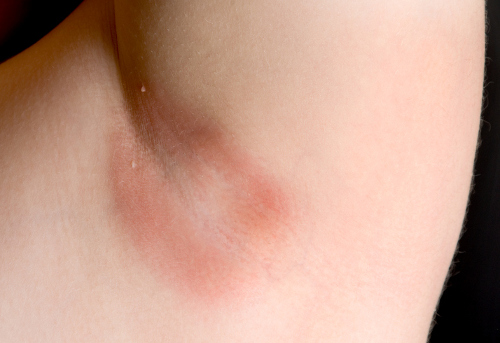
This type of psoriasis shows up in skin folds – like the armpits, groin, and under the breasts – where it’s not always easy to see, but definitely hard to ignore.