A bruise from before
The mark might also have been a bruise that happened before he passed away. Pope Francis had been sick and hospitalized several times, and his body was likely very weak. Older people can get bruises easily, even from sitting or lying down too long. Sometimes these bruises don’t show much while the person is alive, but they become darker after death.
A reaction from body preservation
Although it hasn’t been confirmed, if the body was preserved using chemicals, that could have caused the skin to darken in some spots. The face, especially, has soft and delicate skin that might react in unexpected ways. It’s similar to how some fabrics change color depending on what cleaning products are used. It might look strange, but it has a simple explanation.
No Mystery, Just How the Human Body Works
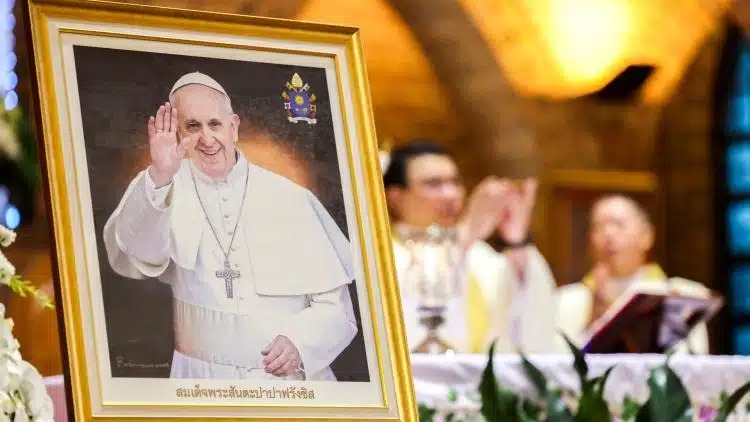
Experts agree that there’s nothing strange or mysterious about the dark mark. It’s a normal and well-known part of what happens after someone passes away, especially in older or sick people. The face has a lot of blood vessels, which makes it more likely to show these changes after death, especially because of gravity and the body’s natural breakdown process.
Even though the mark may look surprising, it’s simply a sign that the body is going through a natural change. It’s a reminder that, even for someone as respected as Pope Francis, the body still follows the basic laws of nature.
A Face Shaped by Time and Faith
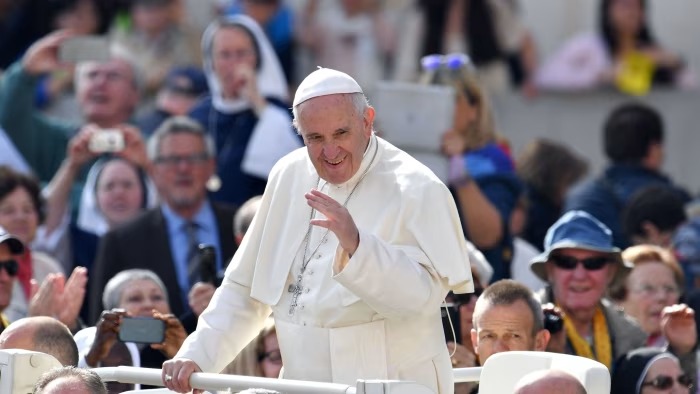
While the medical explanation is clear, the mark can also be seen as something meaningful. It isn’t something to be ashamed of, but rather a quiet symbol of a man who carried the weight of service, pain, and compassion on his face. It shows that even after death, the body can still tell a story—a story of a pope who, until the very end, stayed close to the people he served.